




It doesn’t have to be Sunday to cook up a roast dinner. Our recipe collection has a roast for every occasion whether it’s a mid-week roast chicken or a special occasion duck or turkey roast.
What could be more delicious than a meltingly good shoulder of lamb? Perhaps a spectacular standing rib roast. And no roast dinner is complete without some golden, crispy roast potatoes and a platter of seasonal roast vegetables. So get your roasting tray out and get cooking. Your family will be utterly impressed! Keep scrolling for our Test Kitchen roast dinner cooking guide.
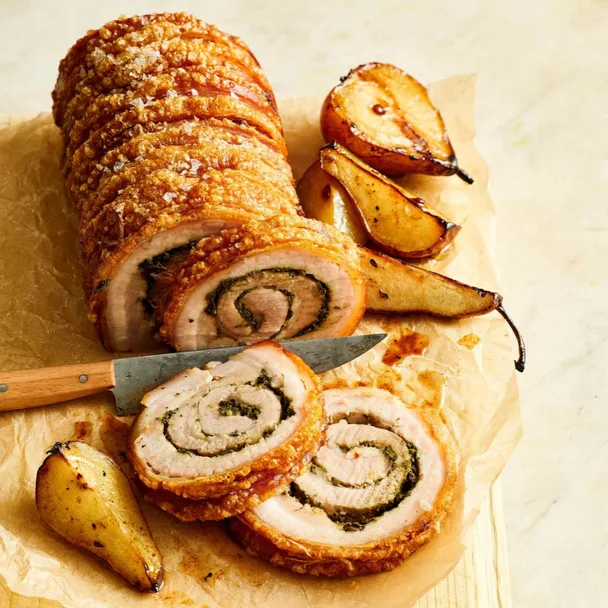

Porchetta with roast pears
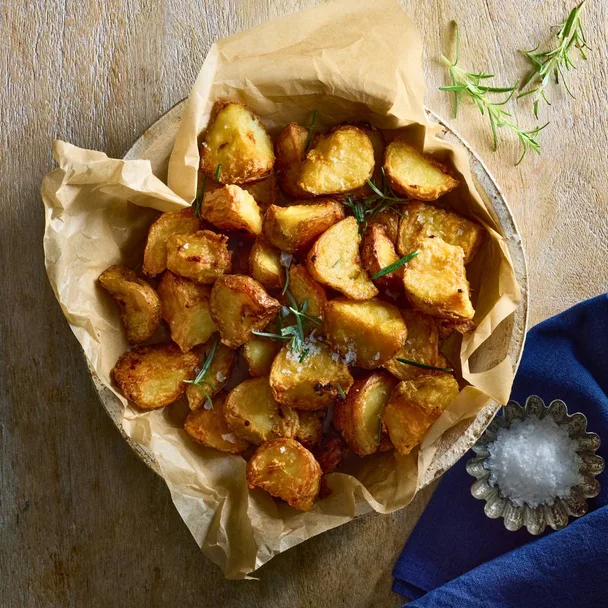
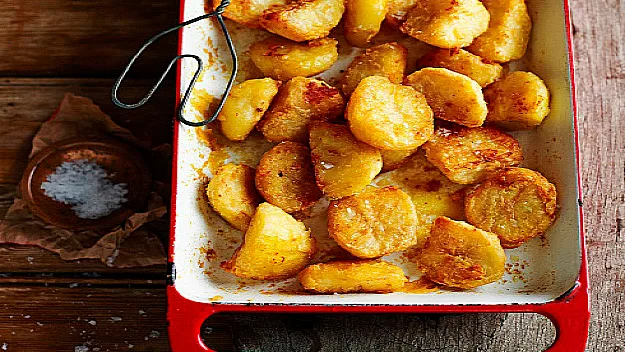
The best roast potatoes
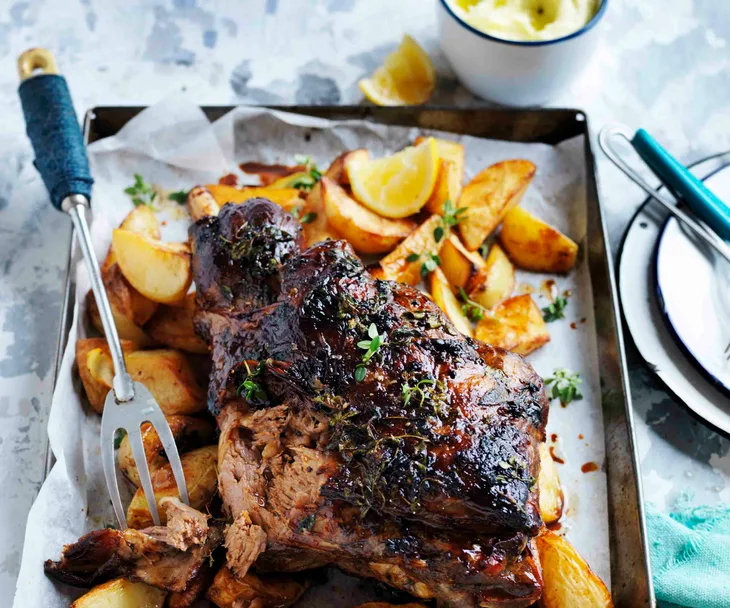
Greek roast lamb with skordalia and lemony potatoes
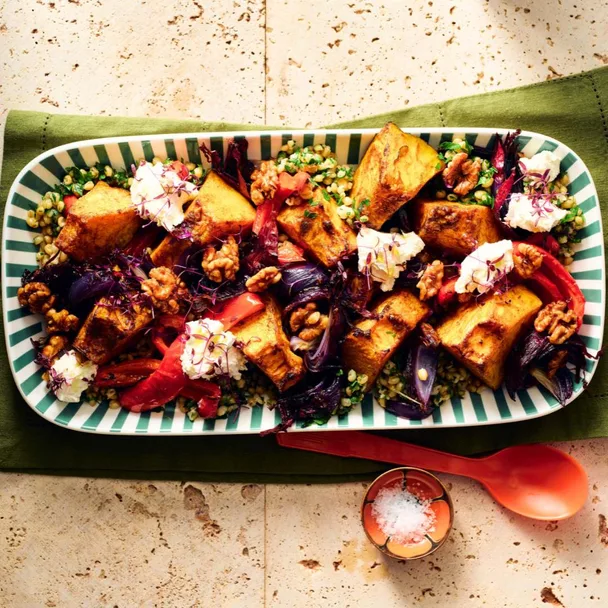
Freekeh salad with roast pumpkin
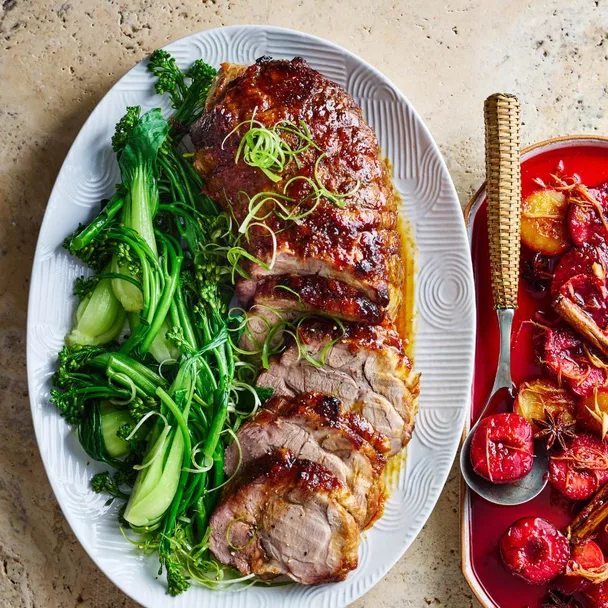
Slow-roasted pork neck with roast plums
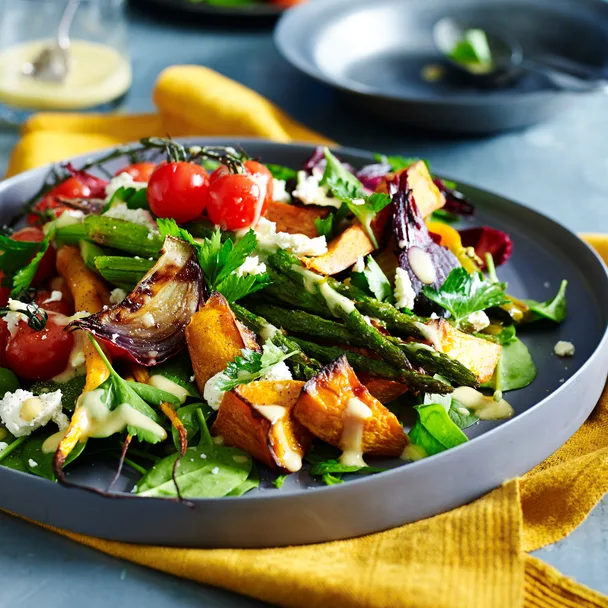
Roast vegetable salad with garlic mustard dressing
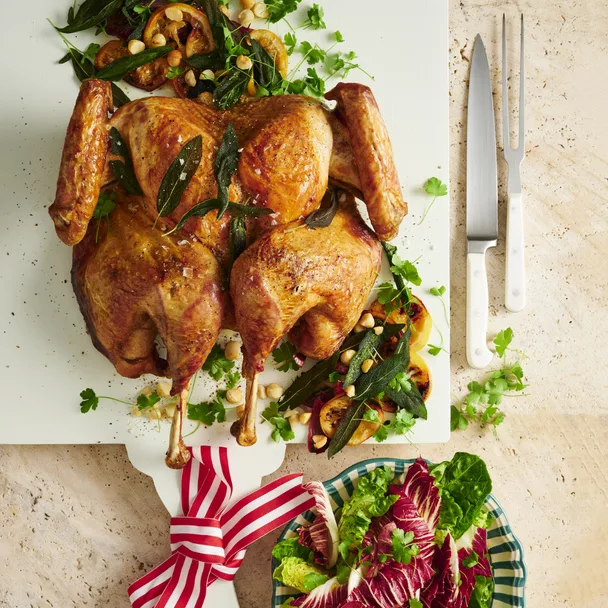
Butterflied turkey roast
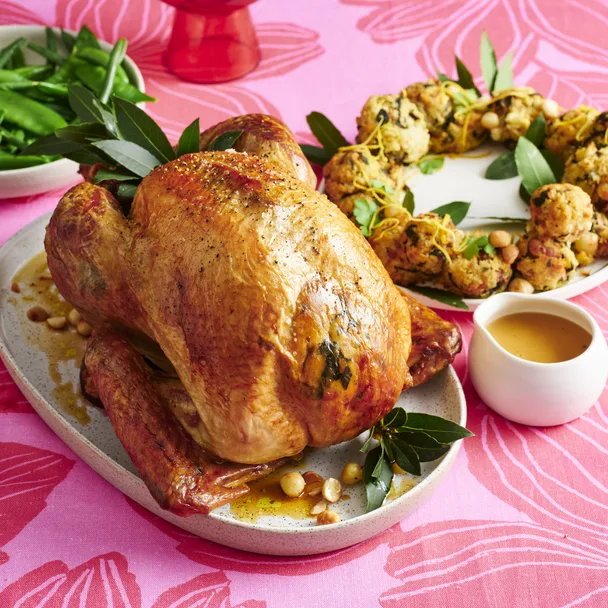
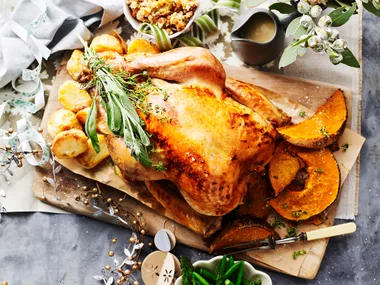
Lemony roast whole turkey with macadamia stuffing wreath
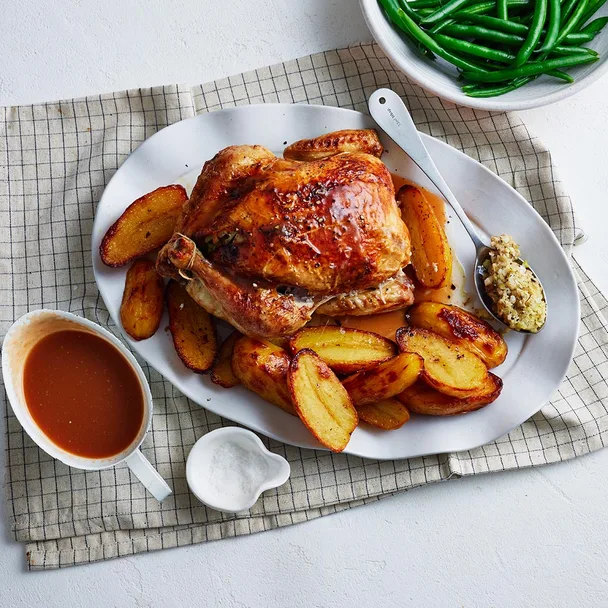
Roast chicken with herb stuffing
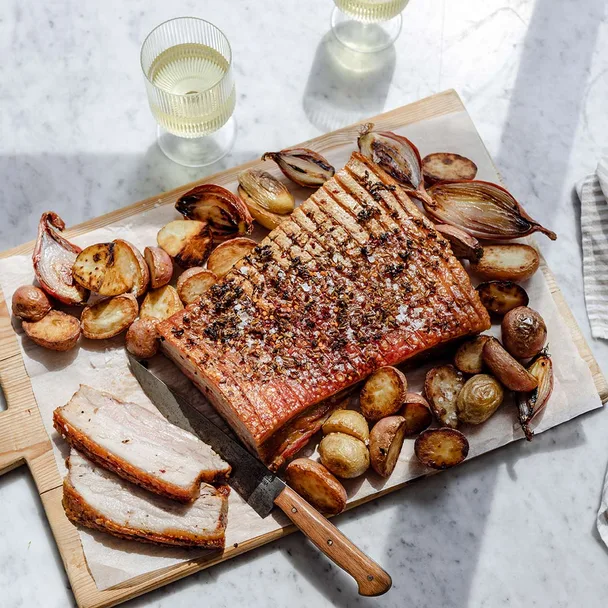
Roast pork belly with fennel & chilli salt

Roasted sweet potato with green goddess dressing
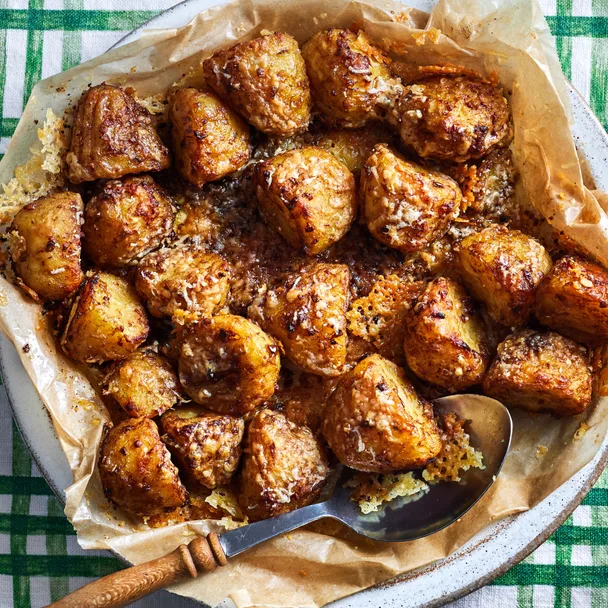
Cheese & Vegemite roast potatoes
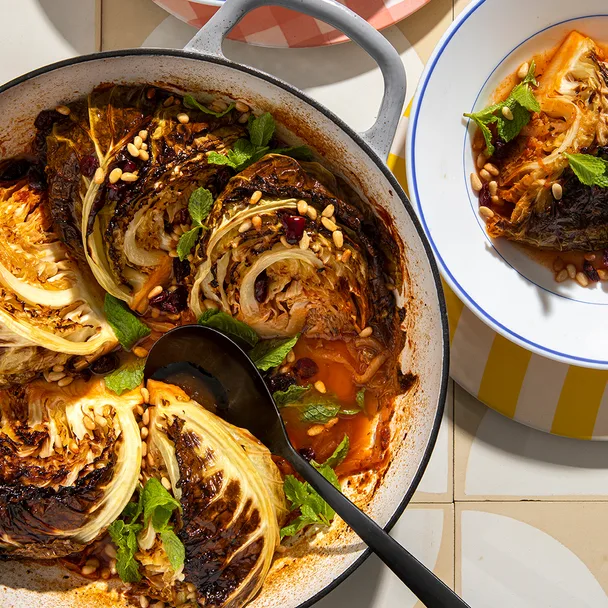
Fall-apart roast cabbage with harissa
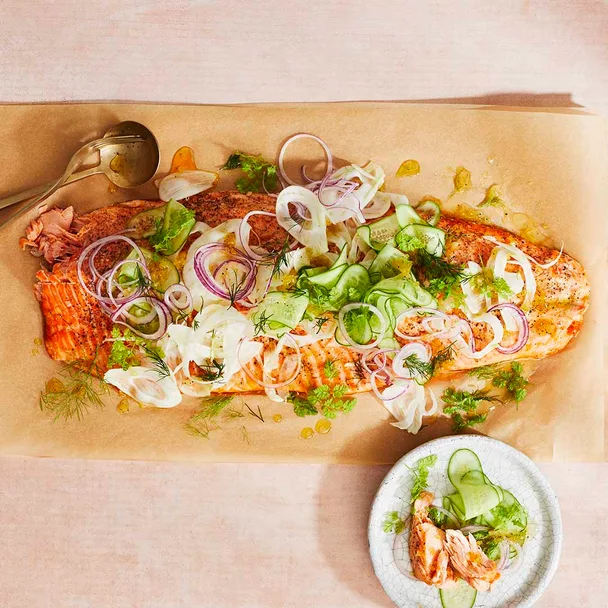
Easiest-ever ocean trout
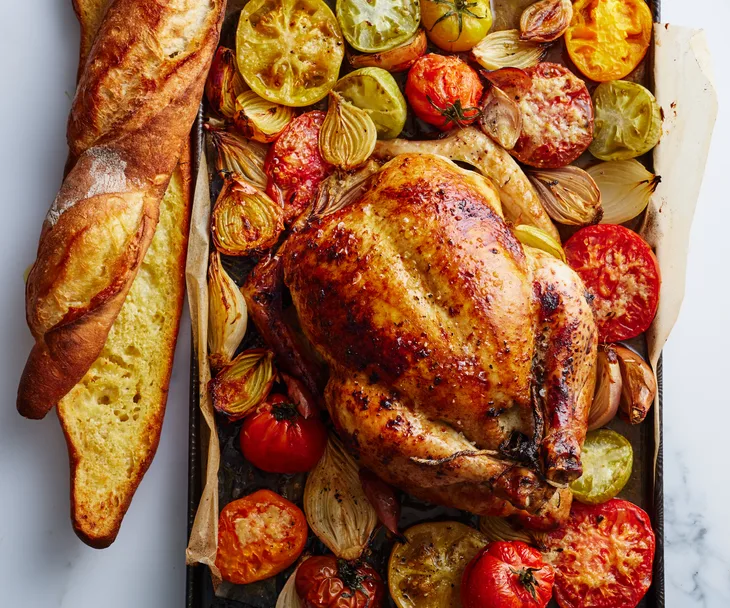
Garlic butter roast chicken with heirloom tomatoes
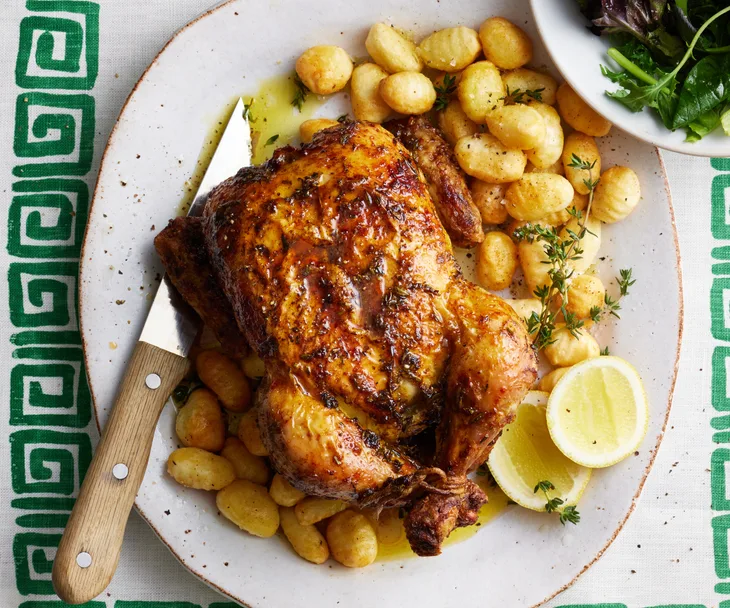
Best-ever air fryer roast chicken

Slow roasted lamb shoulder
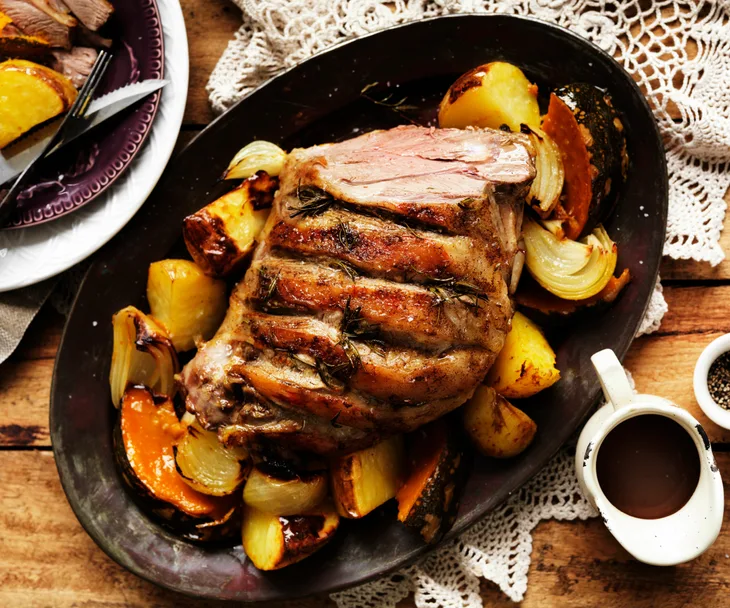
How to make the perfect roast lamb
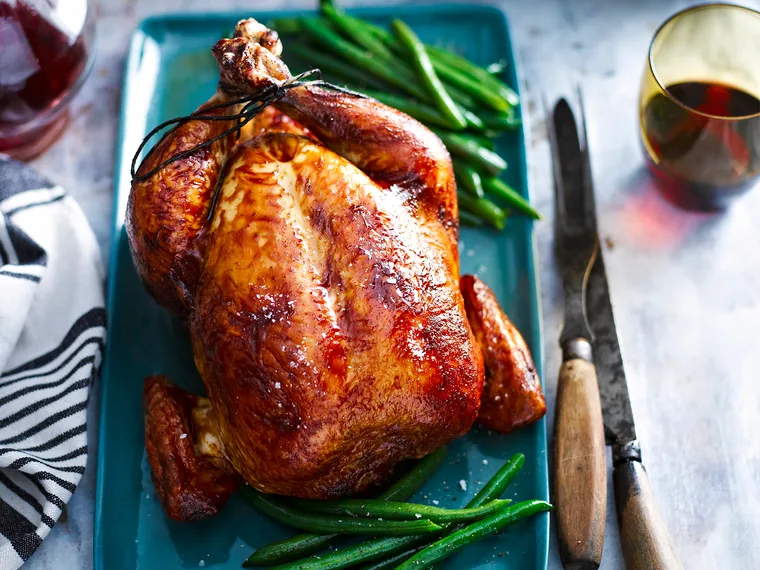
Classic roast chicken with gravy
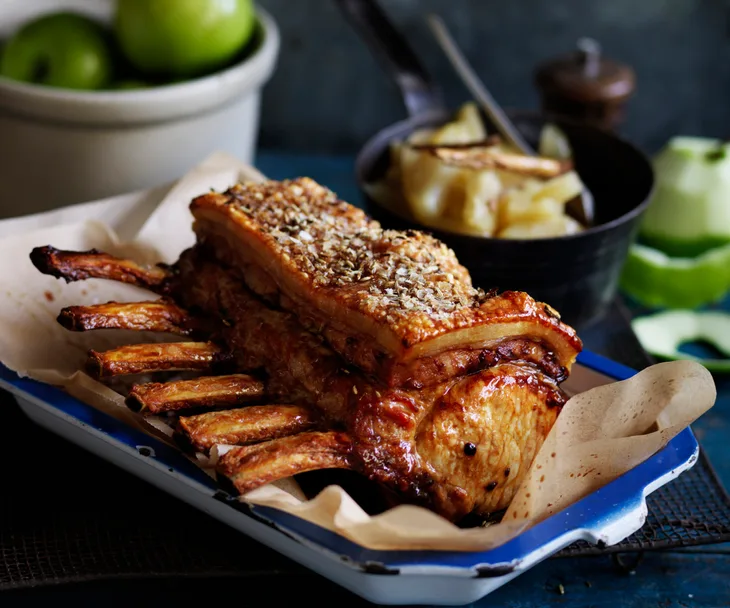
Roast pork with apple sauce
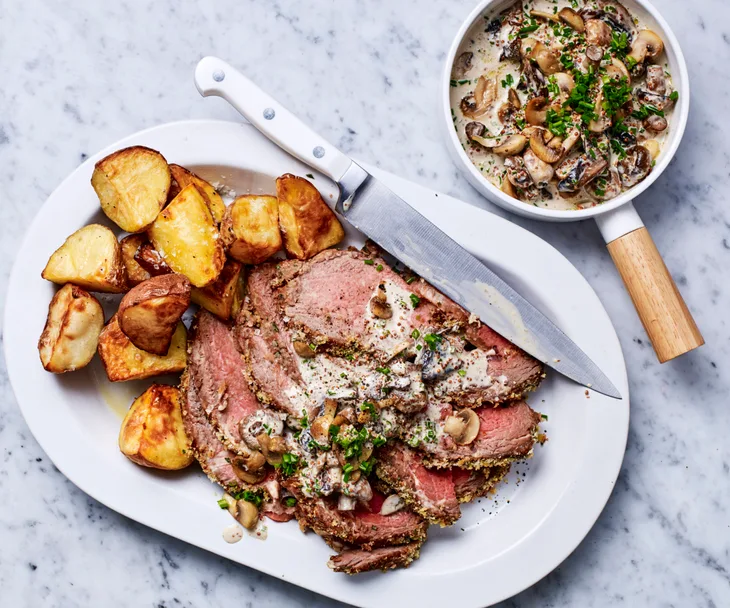
Air fryer herb crusted roast beef
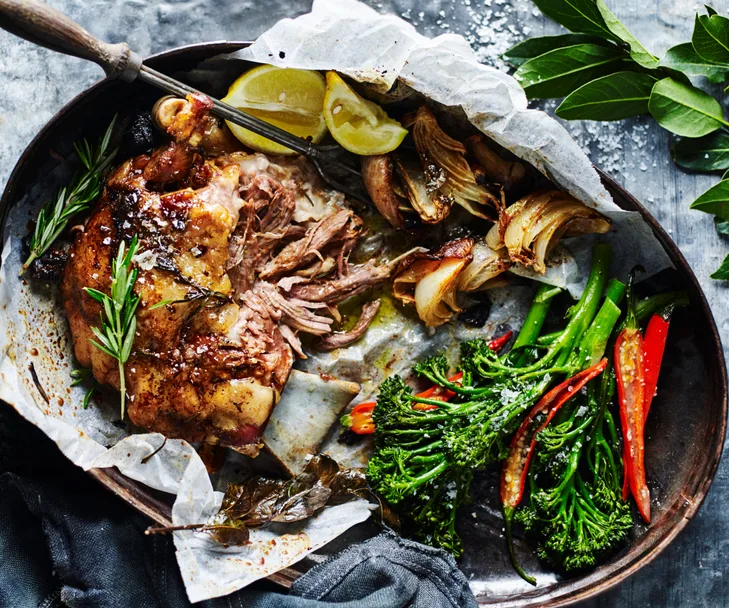
Slow-cooked Greek lamb with chilli garlic broccolini
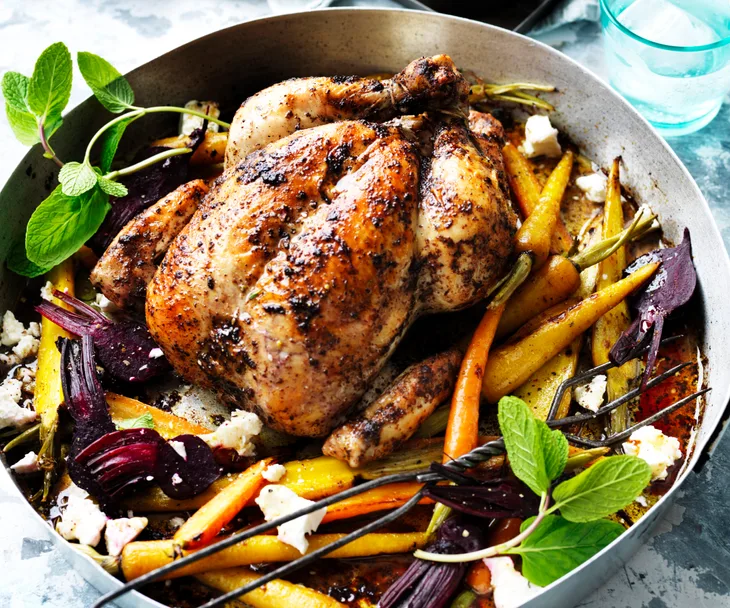
Roasted sumac chicken with baby vegetables
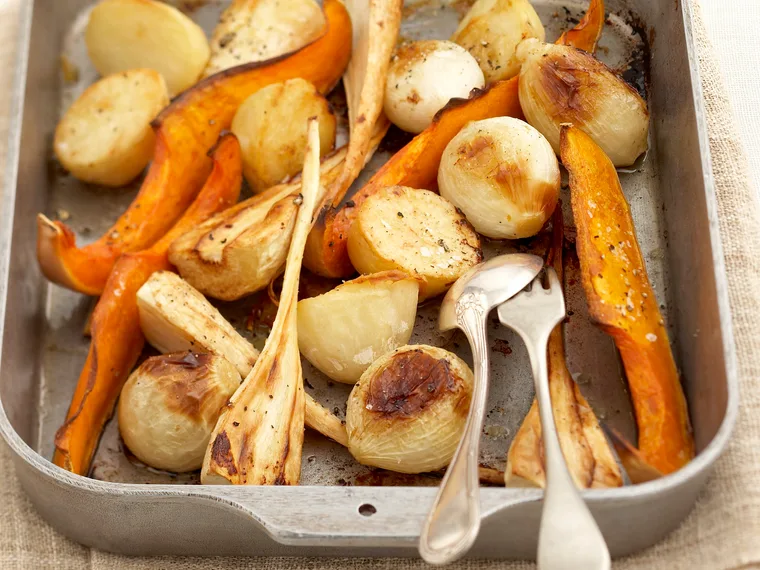
Roast vegetables
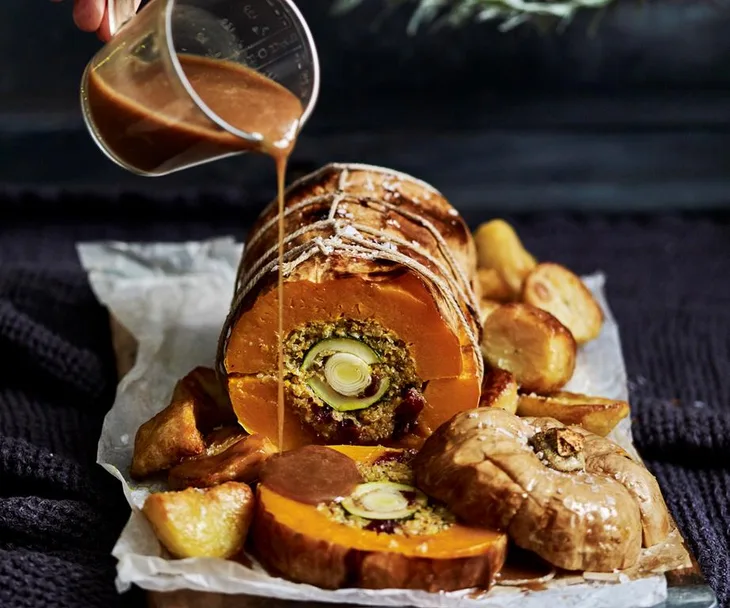
Vegan roast
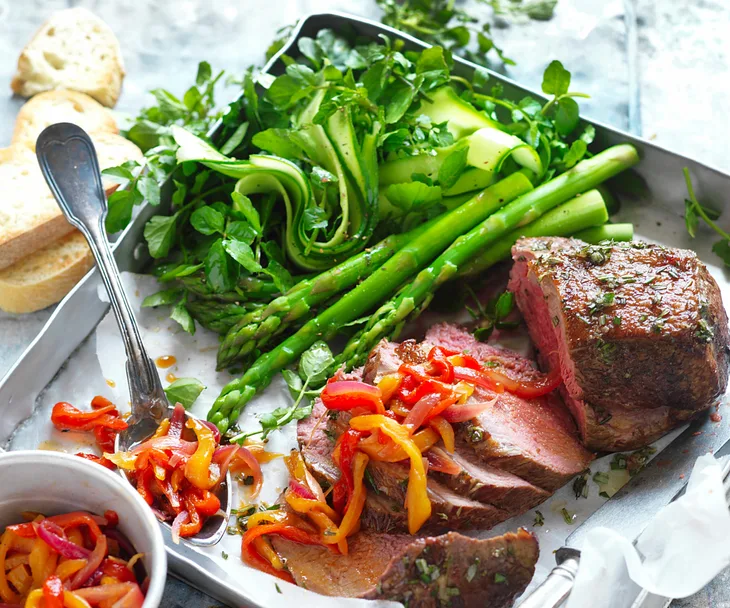
Roast veal with capsicum relish
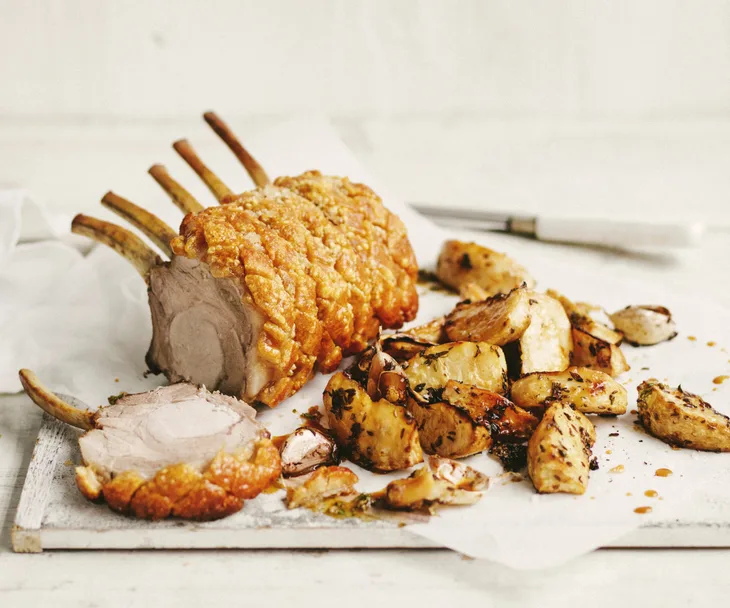
Crackling pork rib eye with honey & lemon glaze
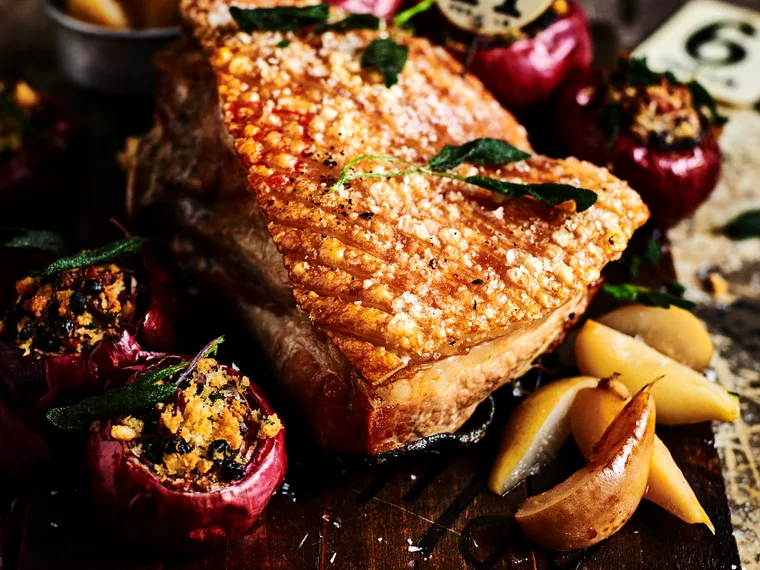
Roast pork shoulder with stuffed onions and pickled pear
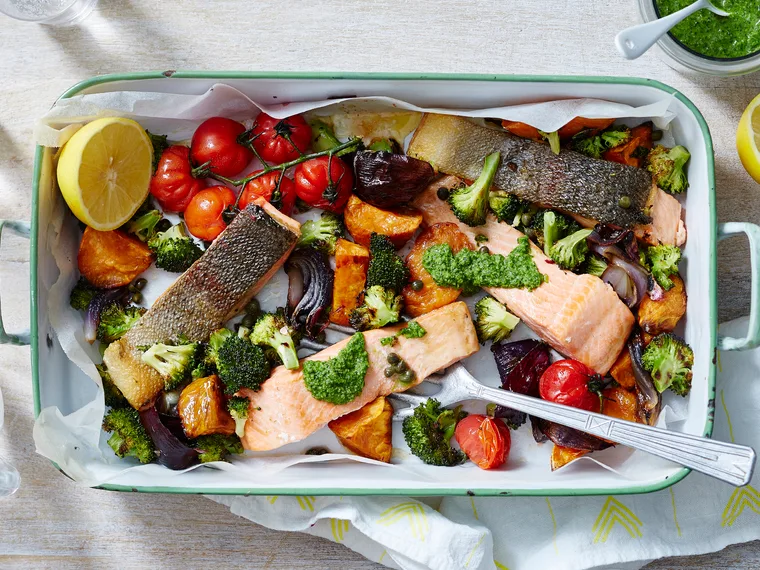
Roasted vegetables and ocean trout bake
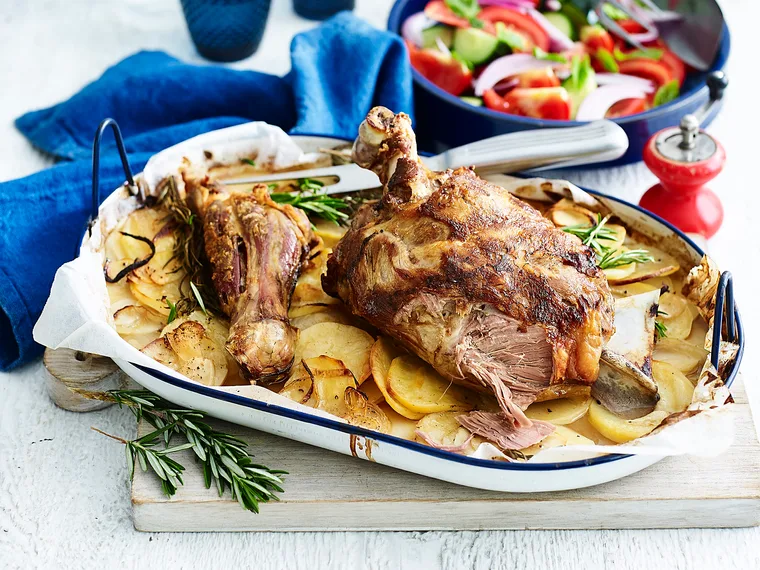
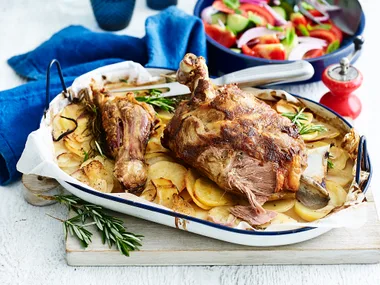
Slow-roast lamb shoulder with garlicky potatoes and tomato salad
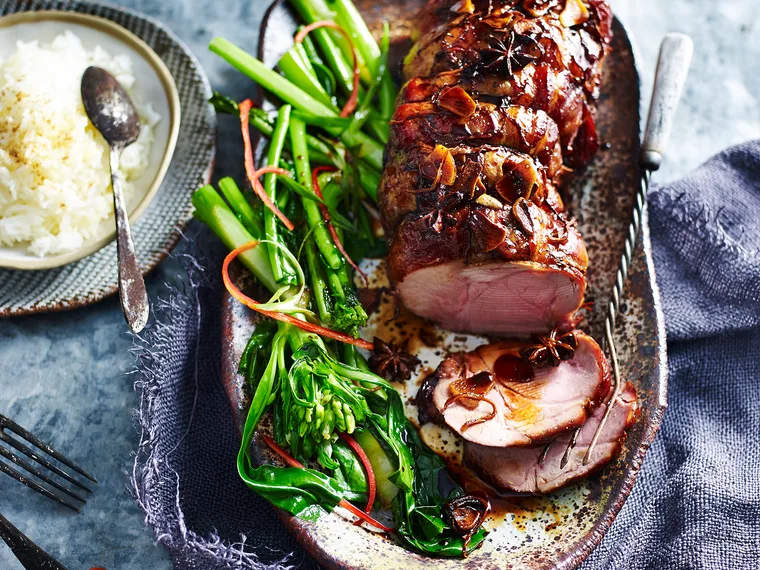
Sticky glazed slow-roasted pork
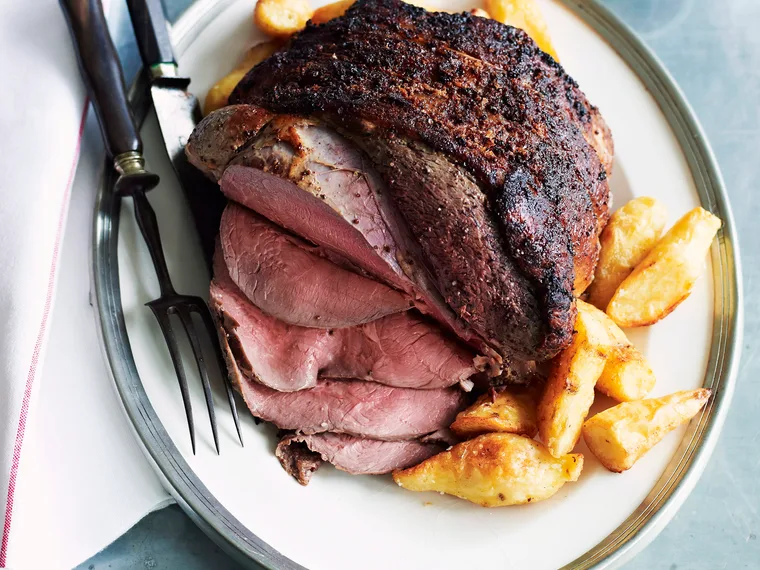
Roast beef rump with red wine gravy
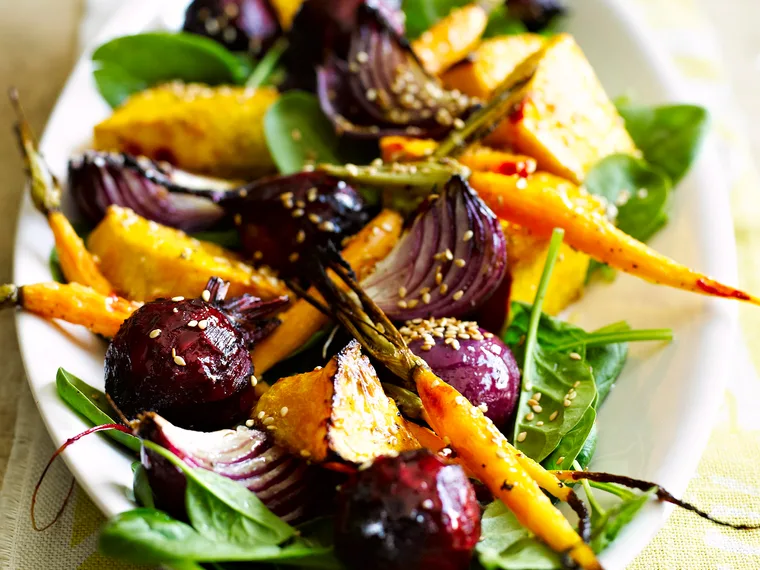
Warm salad of root vegetables
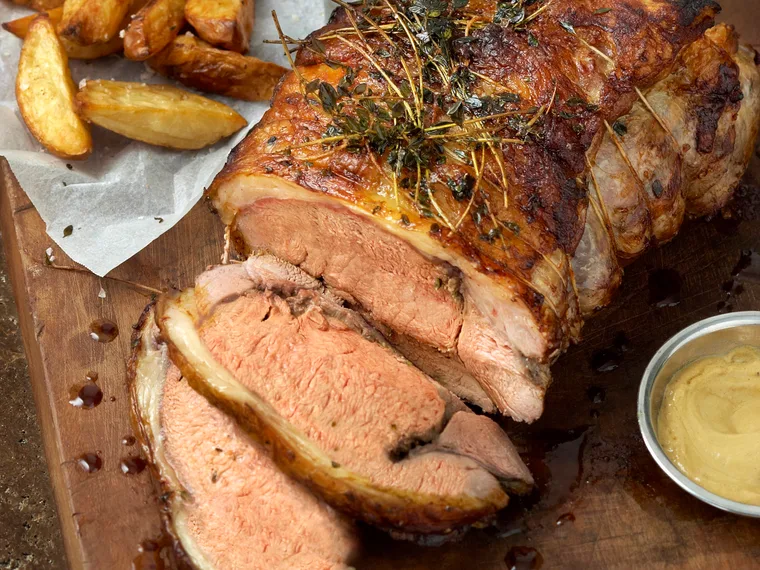
Roasted rolled shoulder of beef
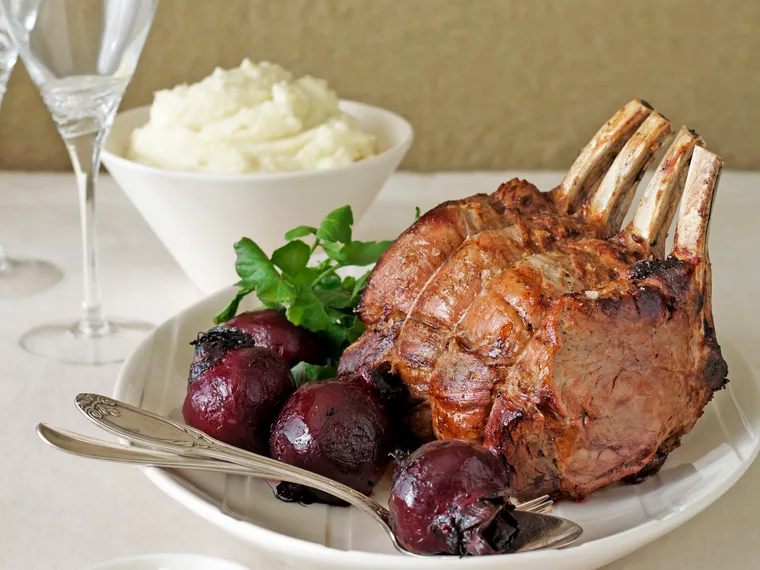
Beef rib roast with potato puree and roasted beetroot
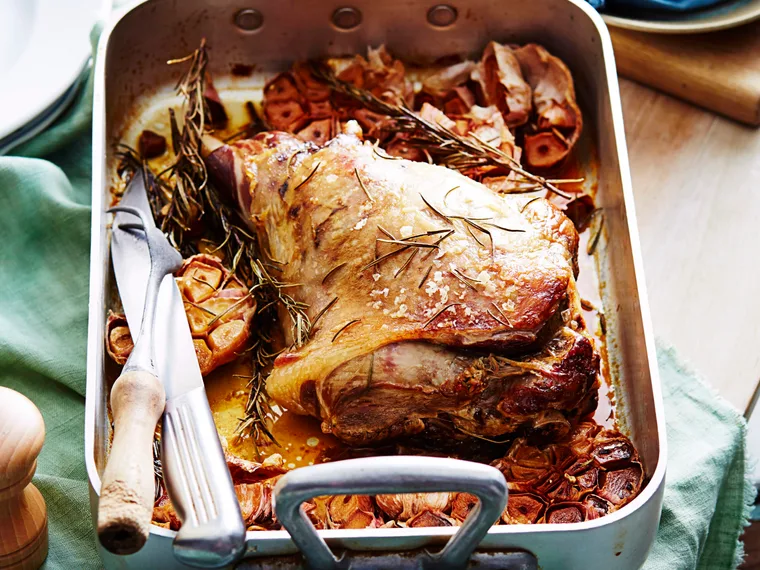
Slow-roast lamb with lemon, garlic and rosemary
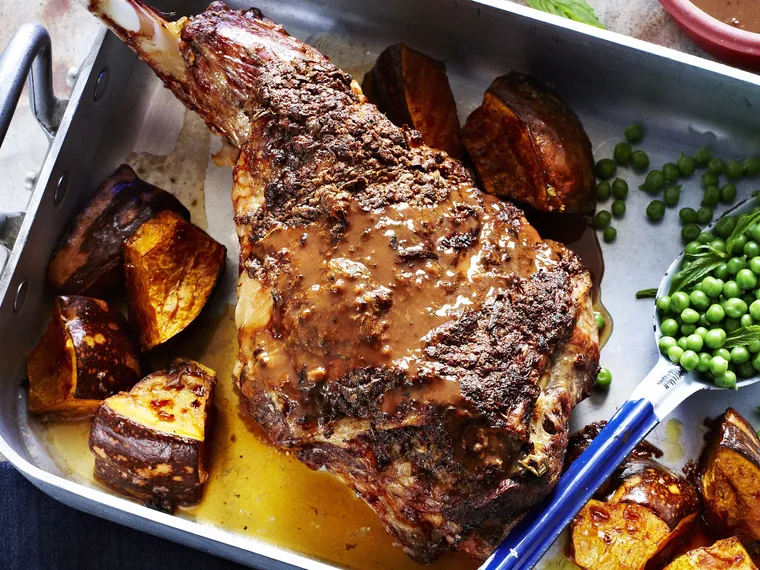
Roast lamb leg with red wine gravy
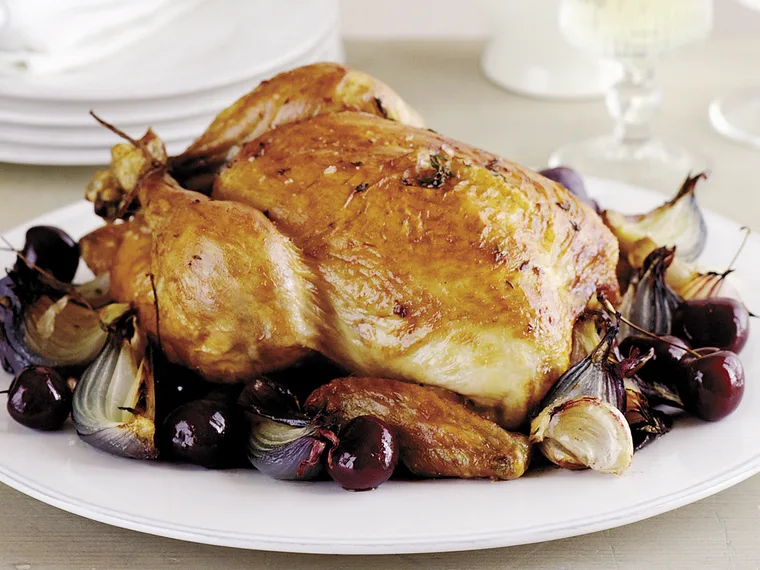
Roast chicken with red onion, garlic and cherries
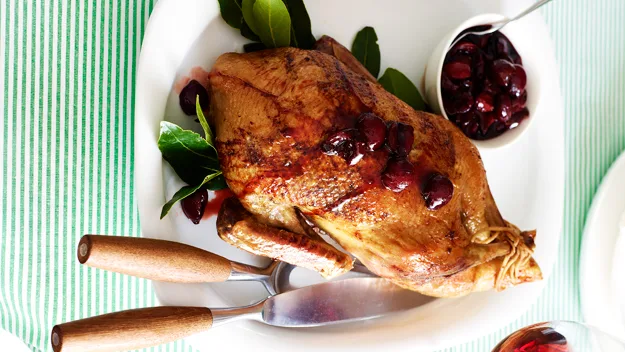
Roast duck with cherry sauce
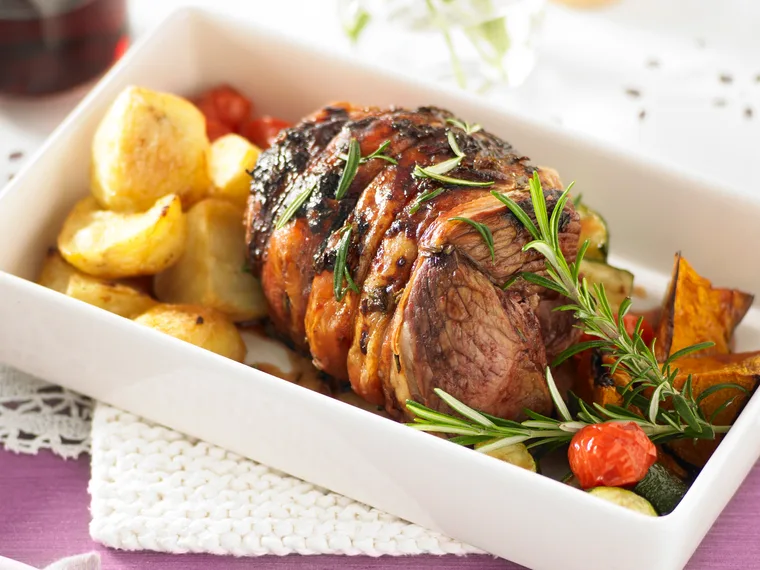
Lamb mini roast
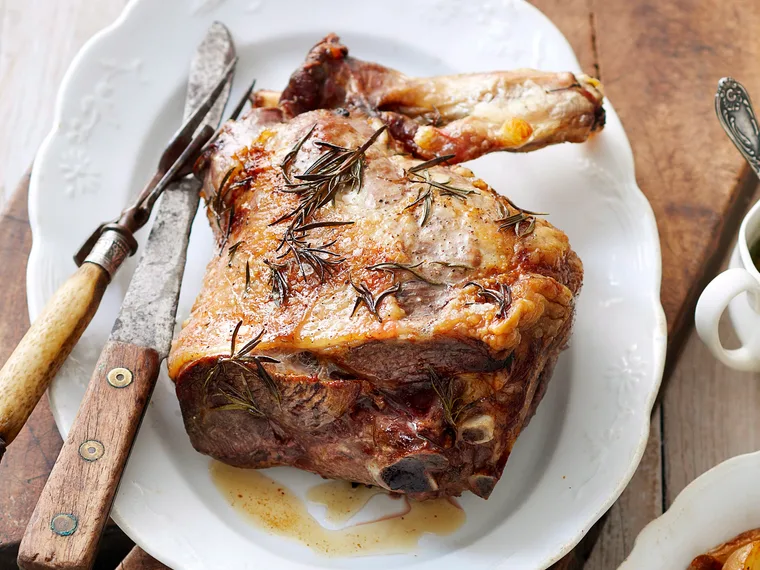
Roast lamb with mint jelly
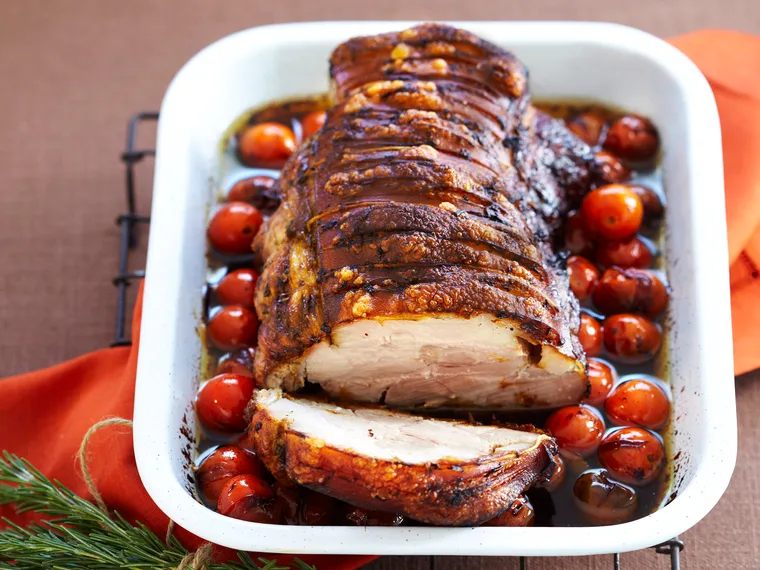
Slow-roasted pork neck
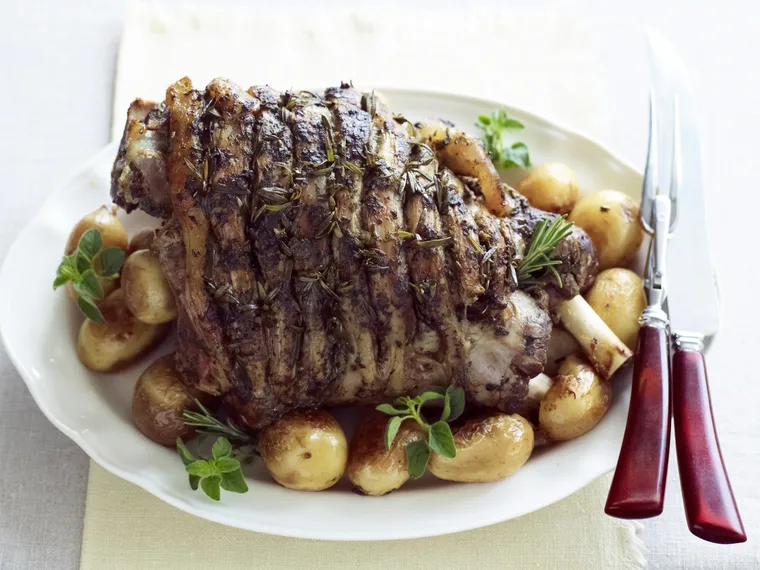
Greek-style roast lamb with potatoes
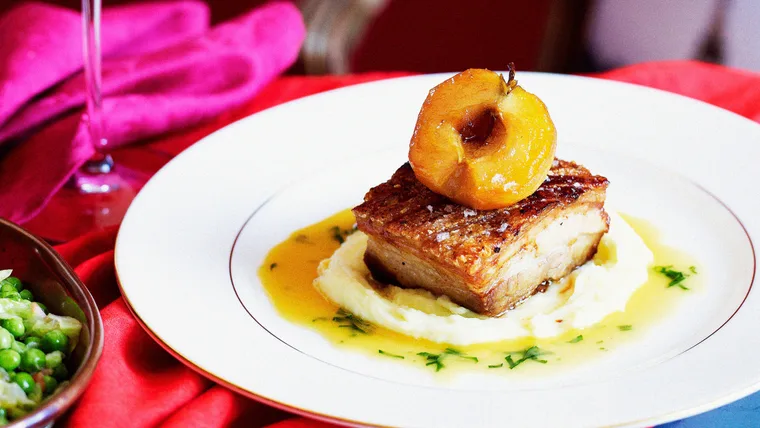
Roast pork belly with caramelised apples
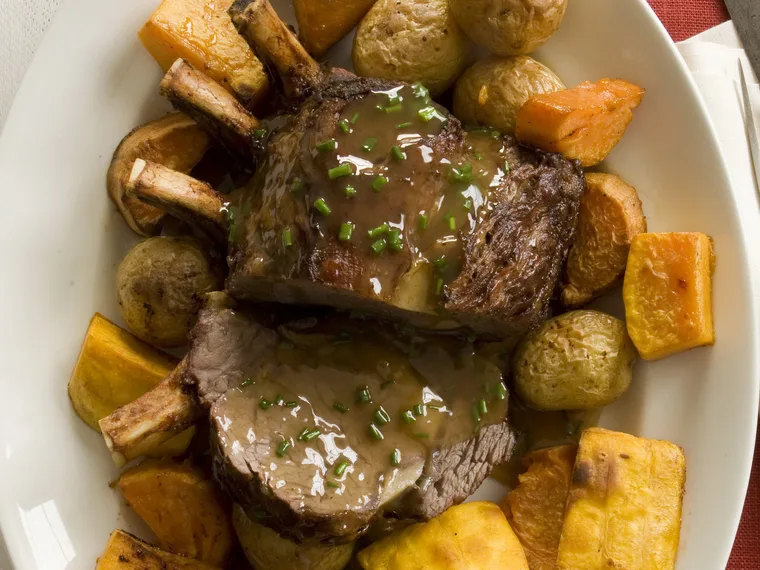
Roast dinner cooking tips
Roast beef dinner
Suitable cuts for roasting are beef fillet/tenderloin, rib eye/scotch fillet, standing rib roast, rump, sirloin.
Per 500g (1lb), cook at 200°C/400°F for:
- Rare: 15-20 minutes
- Medium: 20-25 minutes
- Well done: 25-30 minutes
Testing when ready
Using a meat thermometer: Remove roast beef from the oven; insert a thermometer into the thickest part. For beef, the internal temperature should reach:
- Rare: 55-60°C/130-140°F
- Medium-rare: 60-65°C/140-150°F
- Medium: 65-70°C/150-160°F
- Medium well: 70-75°C/160-170°F
- Well done: 75°C/170°F
Roast chicken
To achieve a delicious crispy chicken skin, make sure the surface has been dried thoroughly. Basting the chicken during roasting also helps the skin to brown and keeps the chicken moist.
Let roast chicken rest, covered loosely with foil, for at least 10 minutes before carving. This will allow all the juices to distribute evenly through the meat.
If you rest the chicken with the breast facing down, the juices will accumulate through the breast ensuring the meat is nice and moist.
Roast lamb
Per 500g (1lb), cook at 180°C/350°F for:
- Rare: 20-25 minutes
- Medium: 25-30 minutes
- Well done: 30-35 minutes
Testing when ready
Using a skewer: Run a fine metal skewer into the thickest part of the meat on the side, not through the top. Red juice means it is rare, pink juice is medium and clear juice is well done.
Using a meat thermometer: Remove roast from the oven; insert a thermometer into the thickest part, away from the bone. For lamb, the internal temperature should reach:
- Rare: 55-60°C/130-140°F
- Medium-rare: 60-65°C/140-150°F
- Medium: 65-70°C/150-160°F
- Medium well: 70-75°C/160-170°F
- Well done: 75°C/170°F
Roast pork dinner
With crackling: Score the rind at 1cm (½in) intervals; rub a little oil and salt well into the scored rind. Roast at 240°C/475°F for 25 minutes. Reduce oven to 180°C/350°F; roast for 20 minutes, per 500g (1lb).
Without crackling: Brown lightly first in a pan all over in a little oil. Roast at 180°C/350°F for 20 minutes, per 500g (1lb).
Pork belly, shoulder, scotch fillet (neck): Roast, covered, at 180°C/350°F for 3-4 hours, or until the pork is coming away from the bone or is fork-tender.