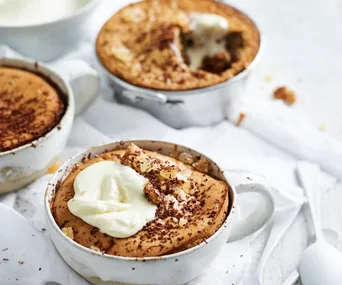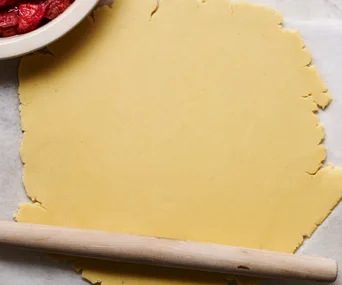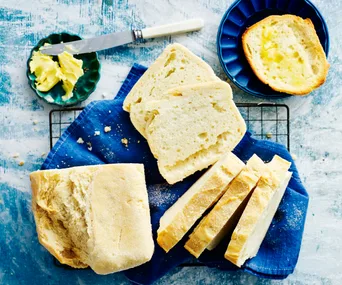




A gluten-free diet doesn’t mean that you have to miss out on your favourite cakes. We’ve pulled together a selection of our most beautiful gluten free cakes, from creamy cheesecakes to decadent chocolate cakes and a flourless orange and white chocolate cake. There’s even classics like lamingtons – all free from gluten.
Plus, we share our Test Kitchen tips for gluten free baking success.
Test Kitchen tips for baking gluten free cakes
Which flour is best for gluten free cakes?
Gluten free flour is available from most major supermarkets in Australia, including both plain and self-raising varieties.
Gluten-free plain (all-purpose): A blend of gluten-free flours and starches (may include corn, potato, tapioca, chickpea and rice).
Gluten-free self-raising: Made similarly to gluten-free plain flour, but with the addition of gluten-free bicarbonate of soda (baking soda).
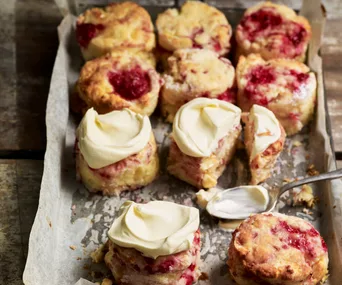
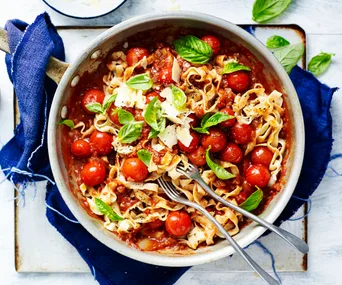
When a recipe is specifically designed to be gluten-free, follow the recipe and ingredient lists to get the best results. You can adapt a recipe that uses wheat flour by substituting it with gluten-free flour. The results may vary depending on how much flour is needed. In most cases, you’ll get the best results if the recipe only requires a small amount of flour.
What is xanthan gum?
Another useful ingredient for the gluten-free baker is xanthan gum. Xanthan gum is a thickening agent produced by fermentation of, usually, corn sugar. It’s used as a thickener, emulsifier and stabiliser to compensate for what gluten would ordinarily do – provide structure and hold ingredients together.
It can be quite a science making a gluten-free flour blend that mimics ordinary flour. For this reason a lot of recipes call for commercial gluten-free plain or self-raising flour, which are designed to be used 1:1 for regular flour.
More gluten free flour options
Some gluten free cake recipes also use almond meal, hazelnut meal or other alternatives to flour that are naturally gluten-free.
Ground nuts in all forms add a rich buttery taste to cakes and pastries.
Millet, buckwheat (not related to wheat), quinoa, lupin, besan (chickpea flour), sorghum, teff and amaranth are all nutritious options with defined earthy tastes.
Less nutritious, but neutral-tasting flours are corn (maize), arrowroot, tapioca, potato and rice flour.
All these flours can be used in various ways but they do not behave in the exact same way as ordinary flour. This is why flours are often mixed with one another to create the perfect balance in recipes.
How long will gluten free cakes last?
Gluten-free items stale faster, so freezing, if specified in the recipe, is a good option. Cool cakes completely before storing in an airtight container or they will soften in the container. Fill biscuits and cakes on the day of serving. Refrigerate cakes and tarts with dairy-based fillings.
Can coeliacs eat cakes?
There are plenty of gluten free cake recipes that are coeliac-friendly. This includes the recipes we’ve put together here.
When making a cake for someone who has coeliac disease, make sure there is as little risk of cross-contamination with gluten as possible. For example, if you’re using butter in a recipe, it’s ideal to get a new container. That ensures there is no trace amounts of gluten that may be present on butter in your fridge that’s been spread on wheat toast (or anything else).
Are oats gluten free?
While it is possible to purchase gluten-free oats, the current advice from Coeliac Australia is to avoid all oats and oat products unless under the supervision and testing of a medical practitioner. Oats are problematic because of potential cross-contamination and they contain a protein similar to wheat which can cause reactions.
What is gluten?
Gluten is a protein found in certain grains, principally wheat. However, it is also present in ancient wheat varieties too, including spelt and other grains such as rye and barley.
Gluten avoidance goes beyond simply avoiding grains. Care must also be taken to ensure gluten derivatives aren’t present in seemingly innocuous foods, therefore it’s essential to read all labels very carefully.
You’ll need these…
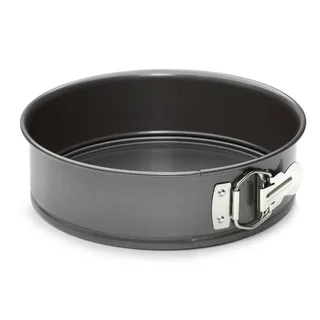
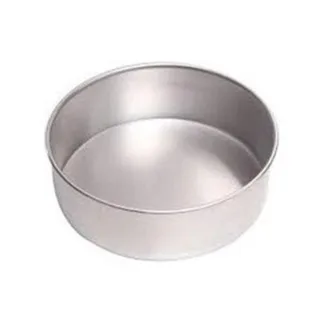
Gluten free cake recipes
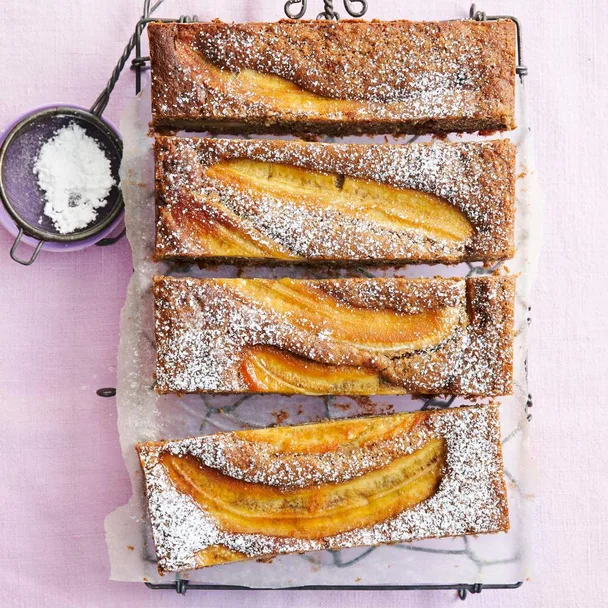

Julie Goodwin’s gluten free banana cake
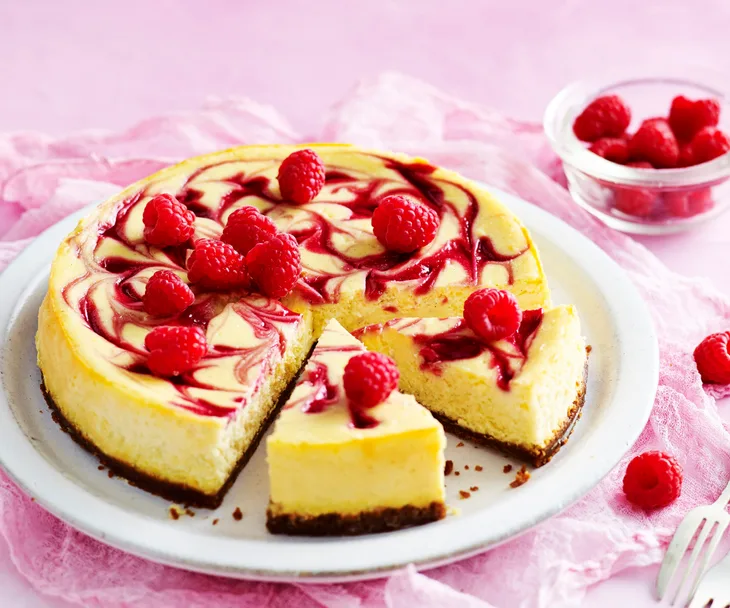
Gluten-free raspberry swirled cheesecake
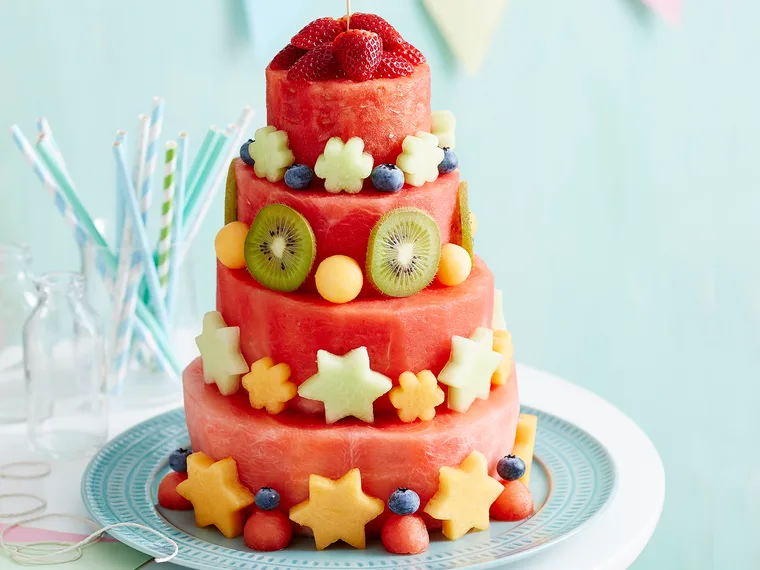
Watermelon cake
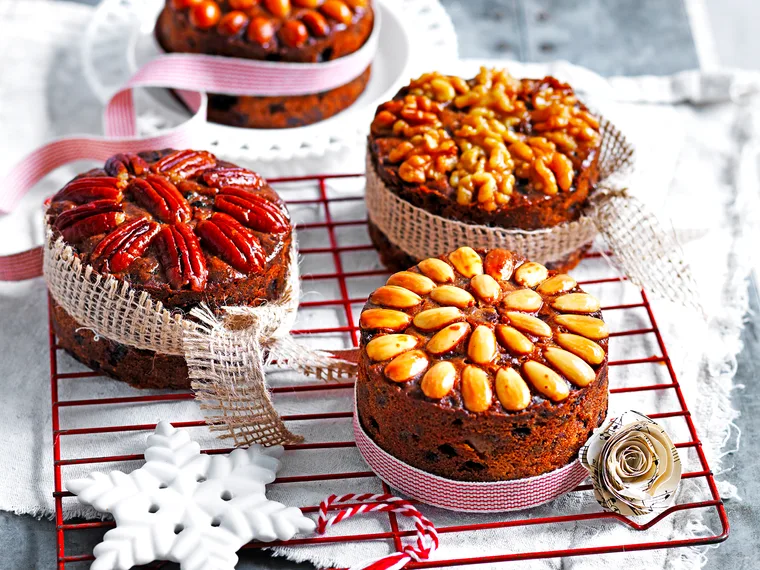
Gluten-free Christmas cakes
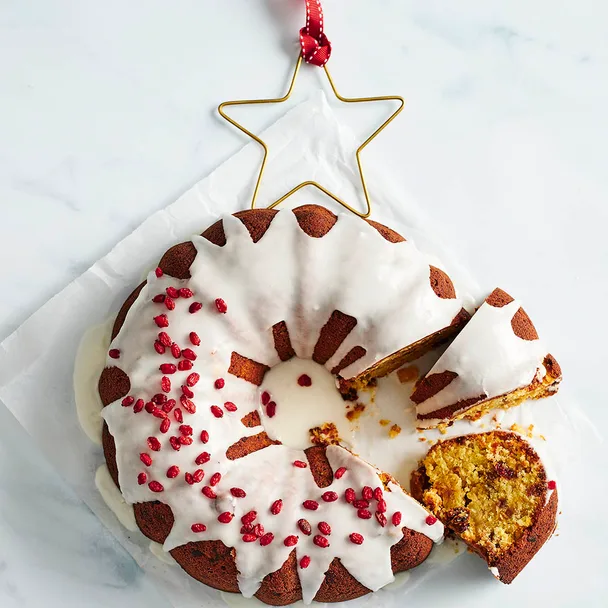
Gluten free Christmas cake
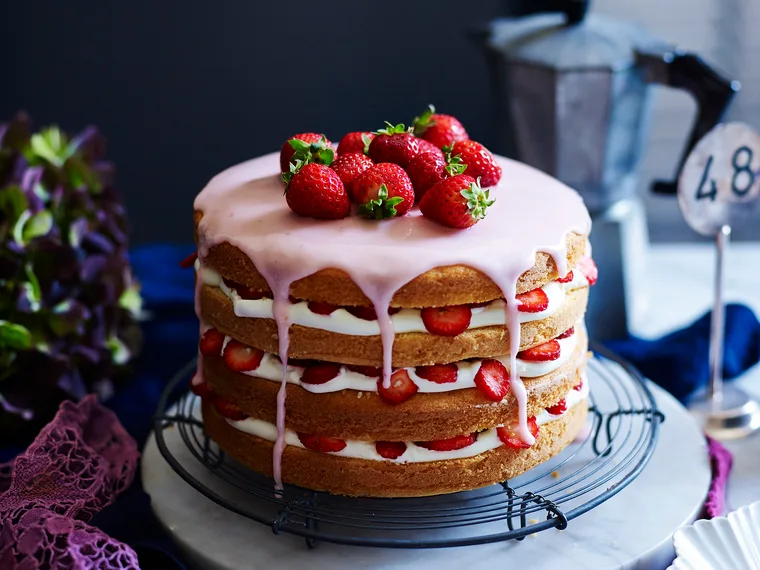
Gluten-free strawberries and cream layer cake
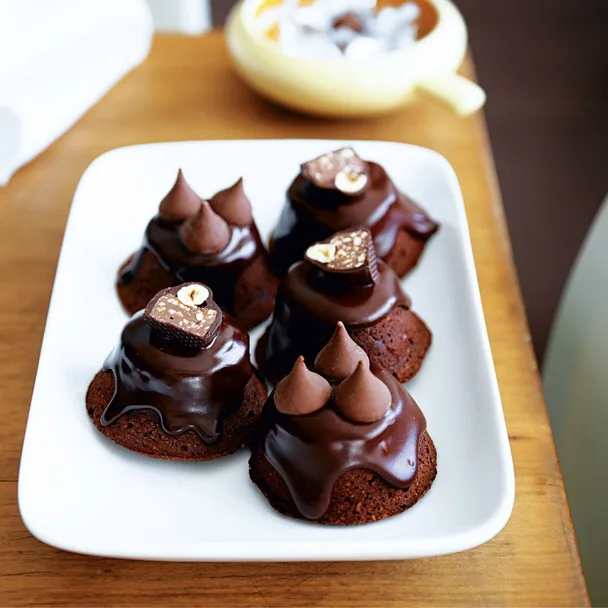
Little gluten free chocolate cakes
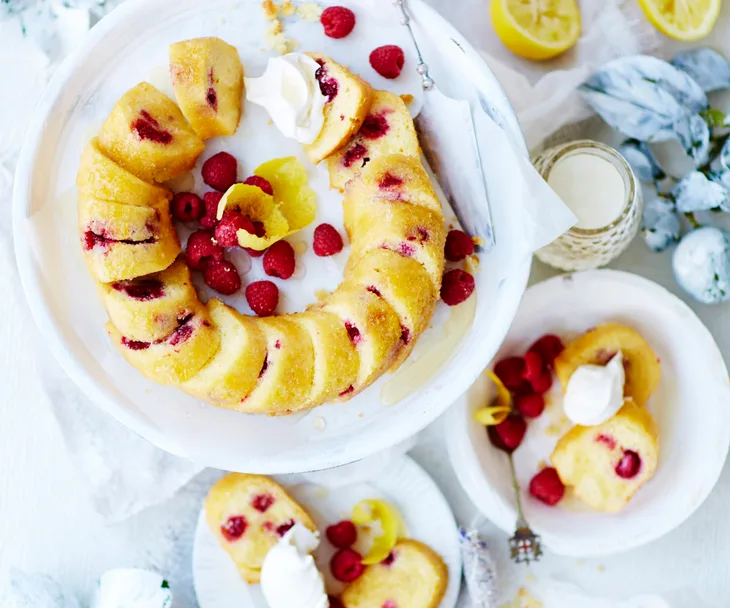
Gluten-free raspberry and lemon syrup cake
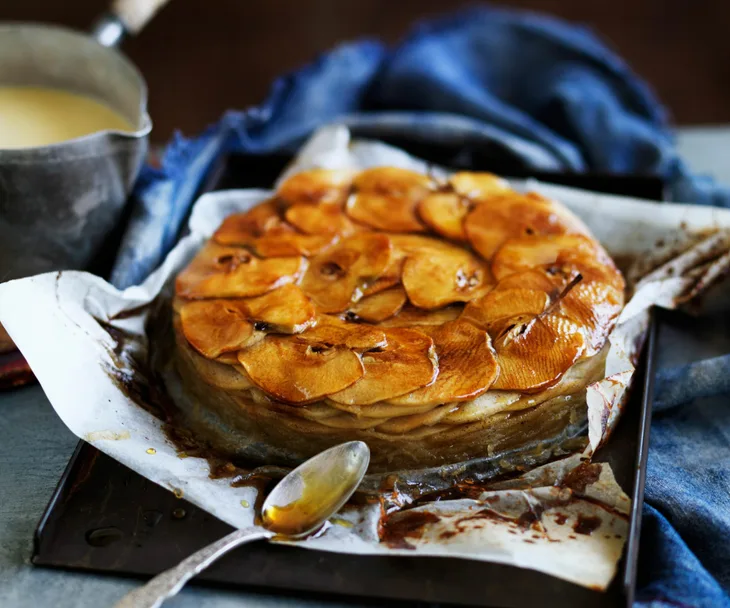
Pure apple cake with golden syrup custard
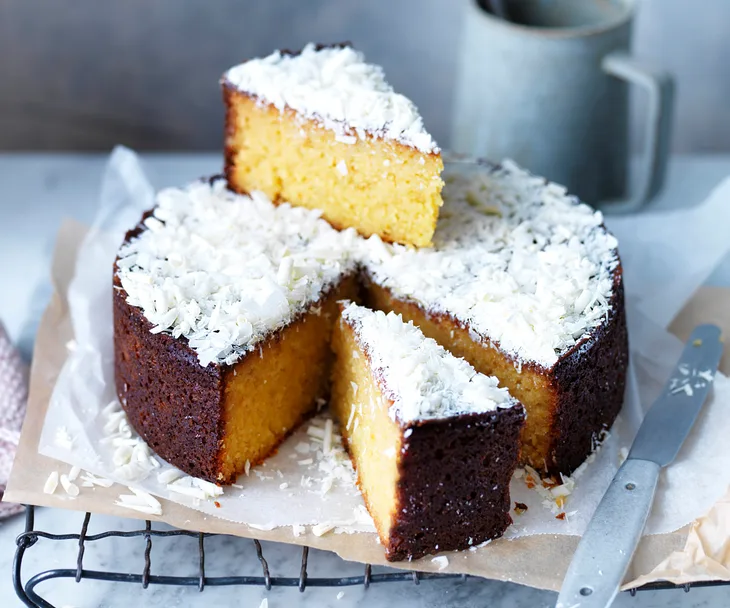
Flourless orange & white chocolate cake
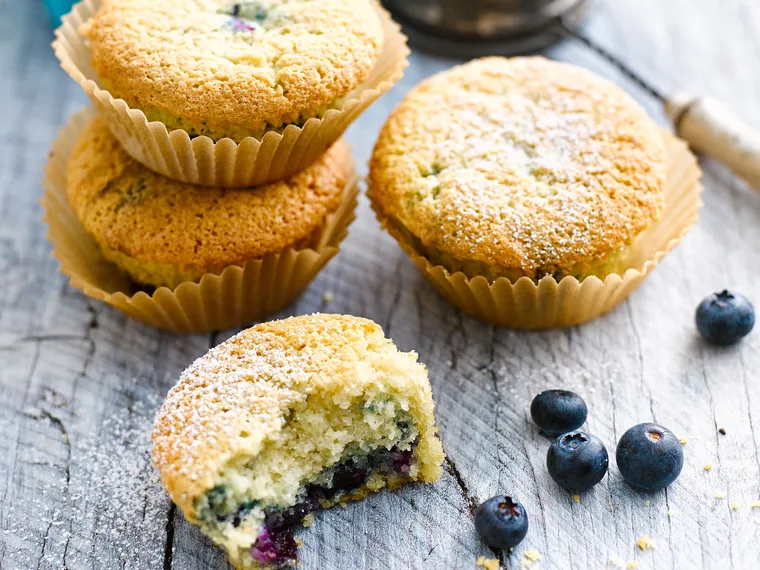
Blueberry cupcakes
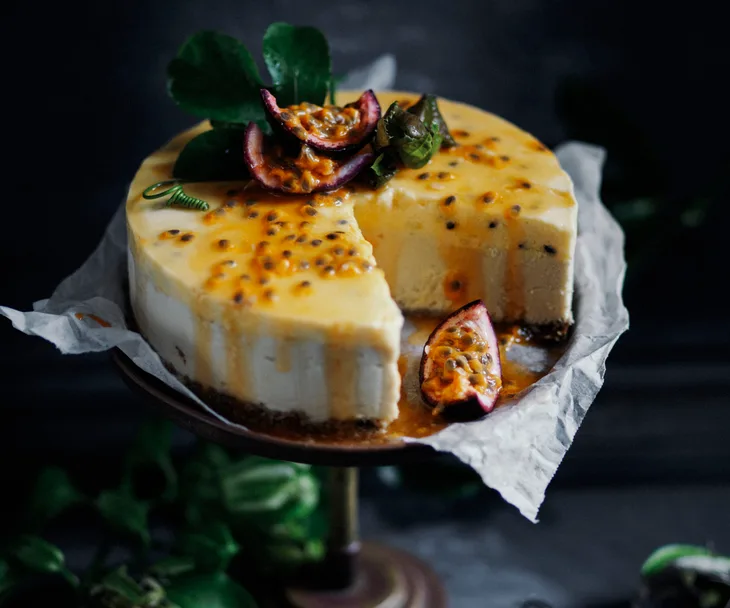
Cauliflower and passionfruit ice-cream cake
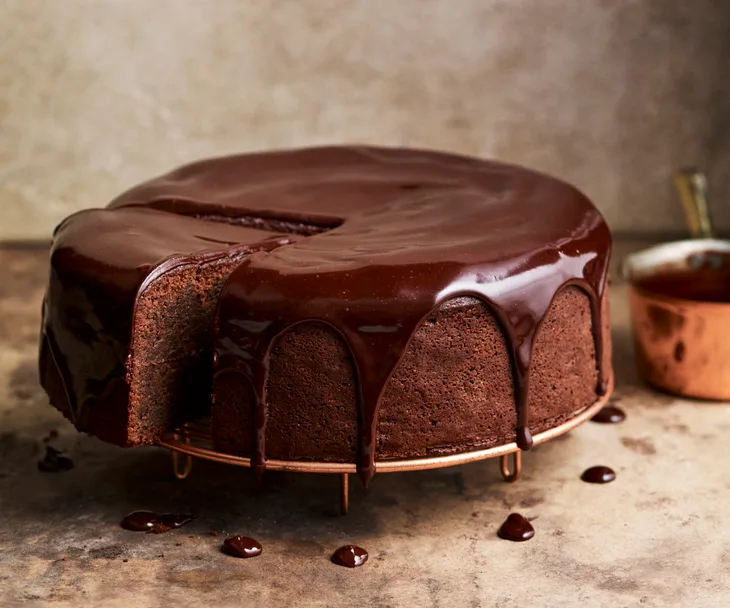
Chocolate cake with sour cherry ganache
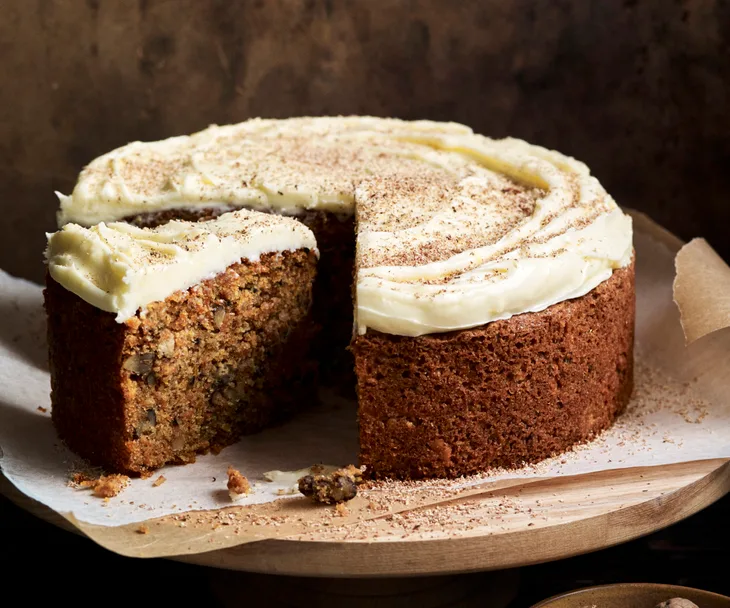
Gluten-free carrot cake with cream cheese frosting
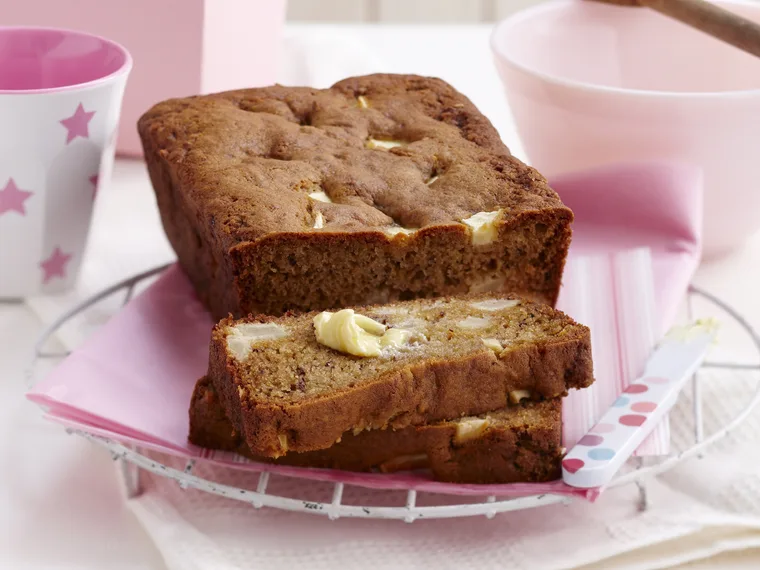
Gluten-free banana bread
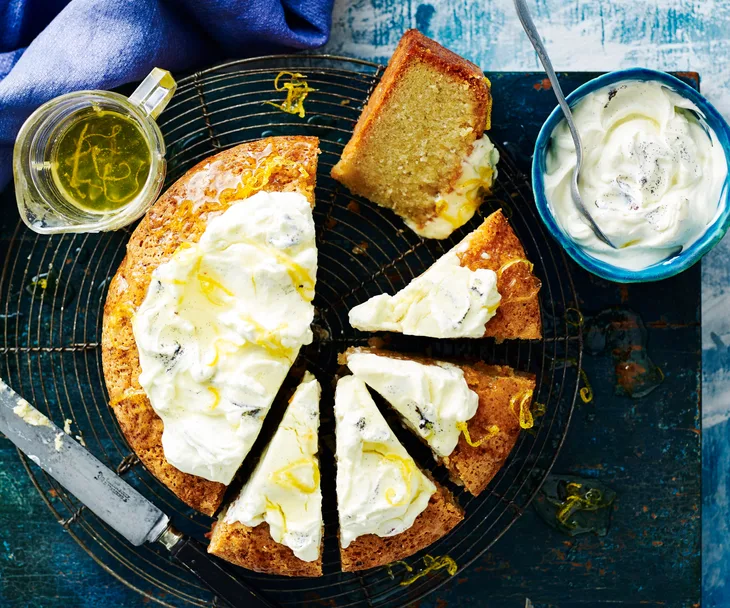
Cardamom and lemon cake with vanilla labne and lemon syrup
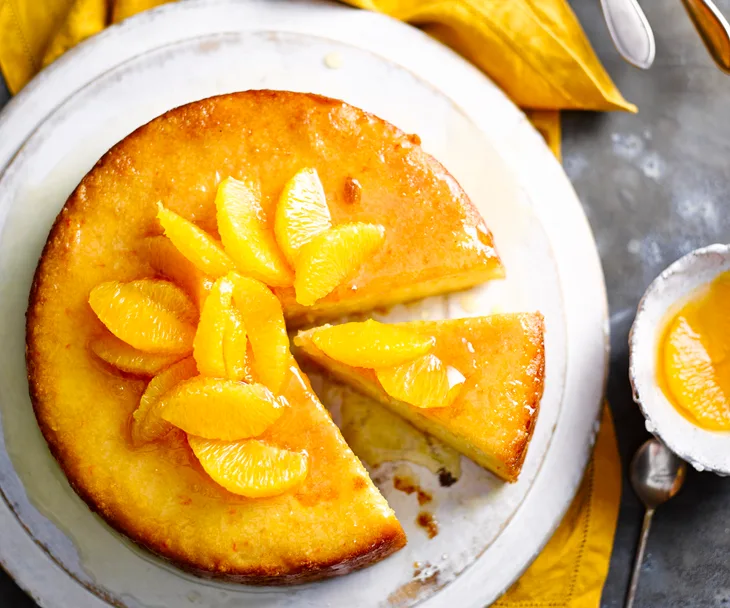
Gluten-free whole orange cake
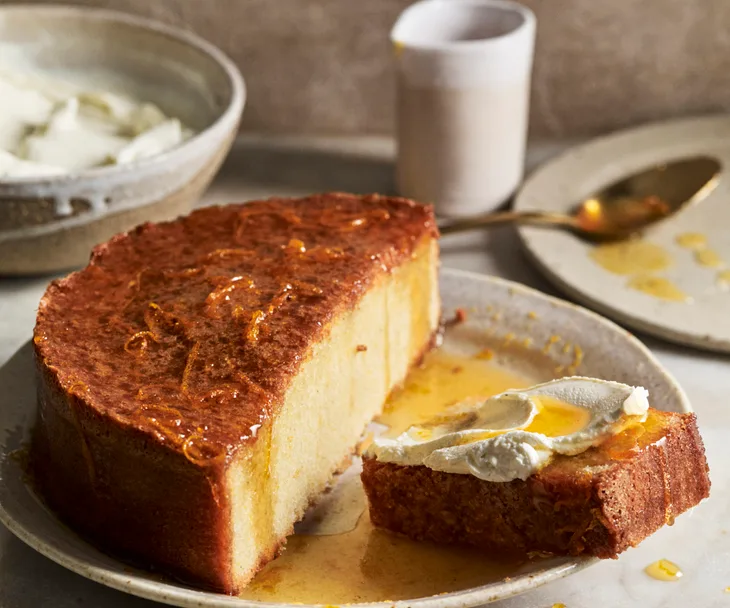
Gluten-free orange cake with labne
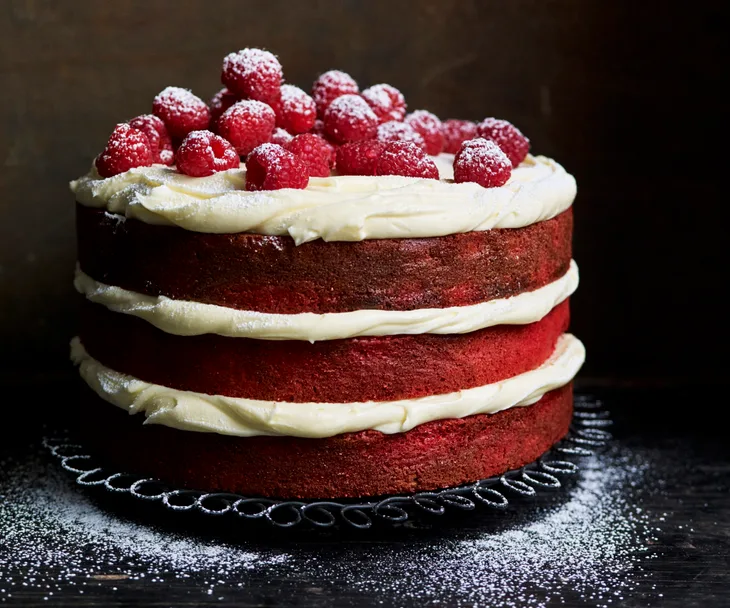
Gluten-free red velvet mud cake
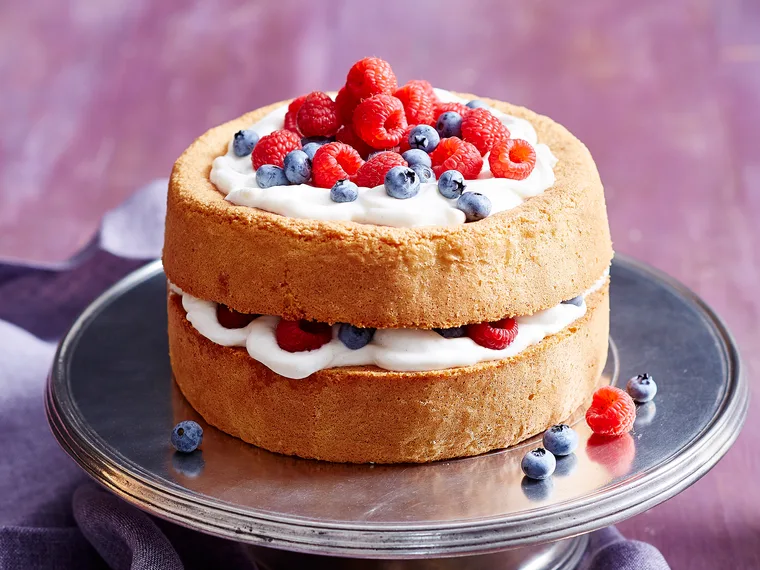
Gluten-free mixed berry and vanilla sponge layer cake
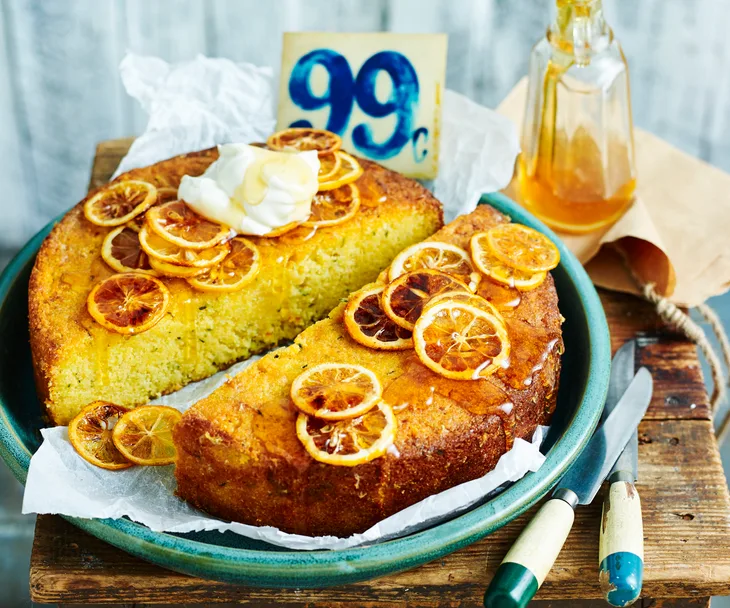
Lemon and zucchini polenta cake
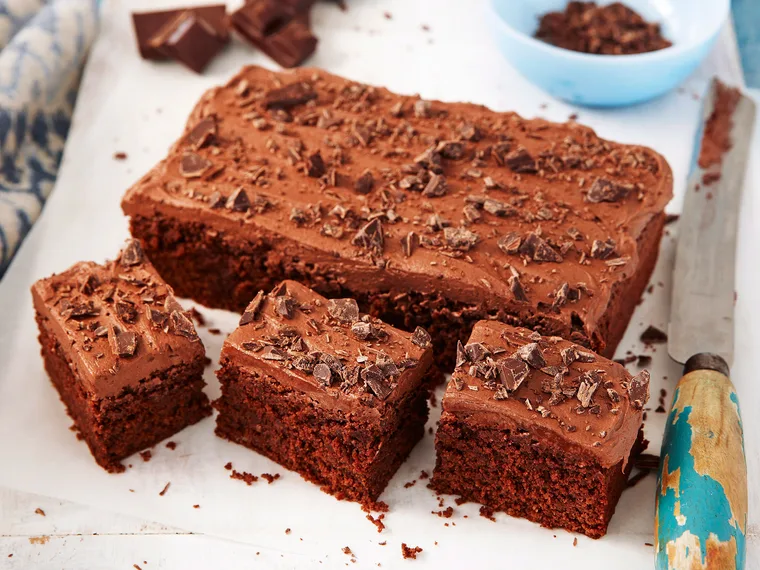
Easy gluten-free chocolate cake
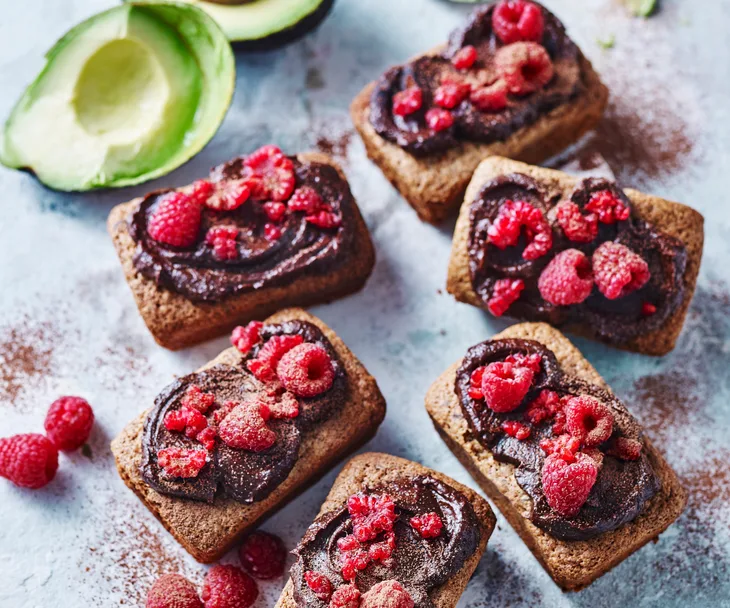
Flourless chocolate cakes with avocado icing
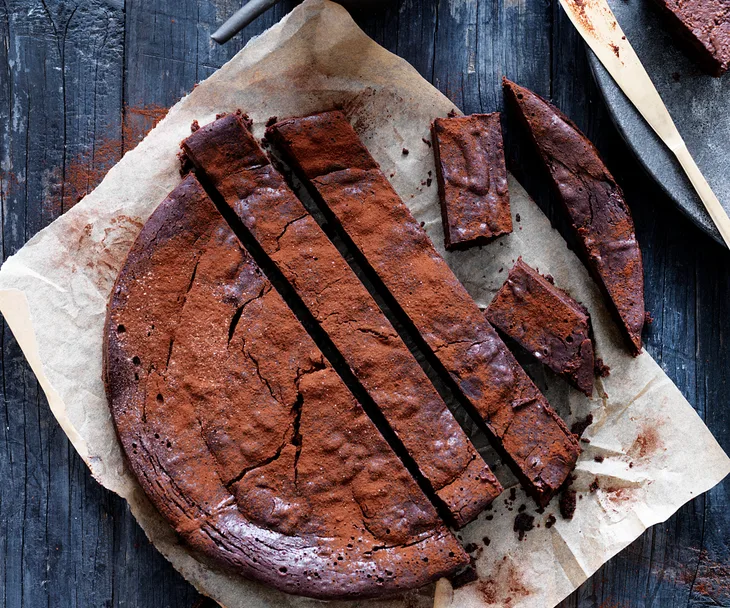
Dark and dreamy chocolate cake
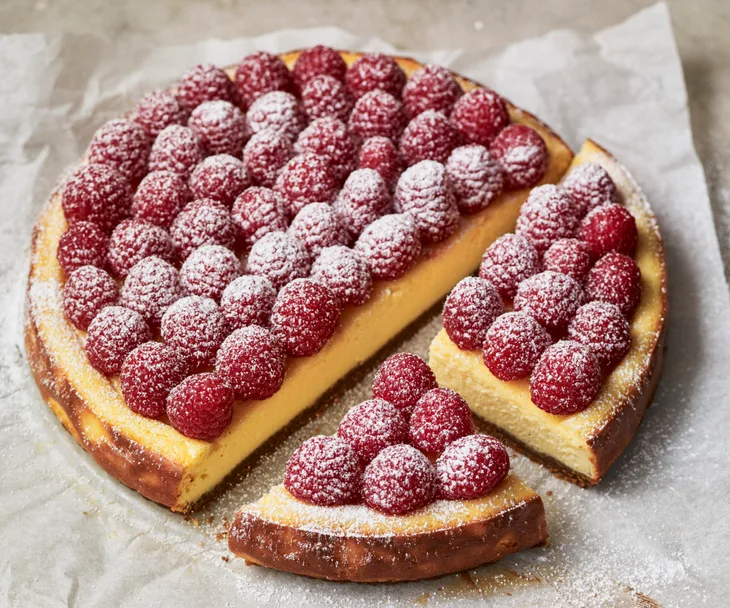
Gluten-free New York cheesecake
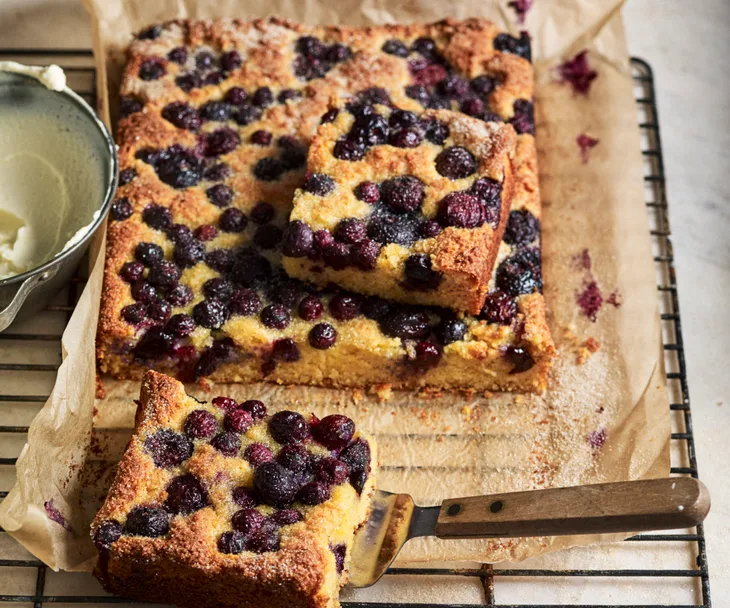
Ricotta, polenta and blueberry cake
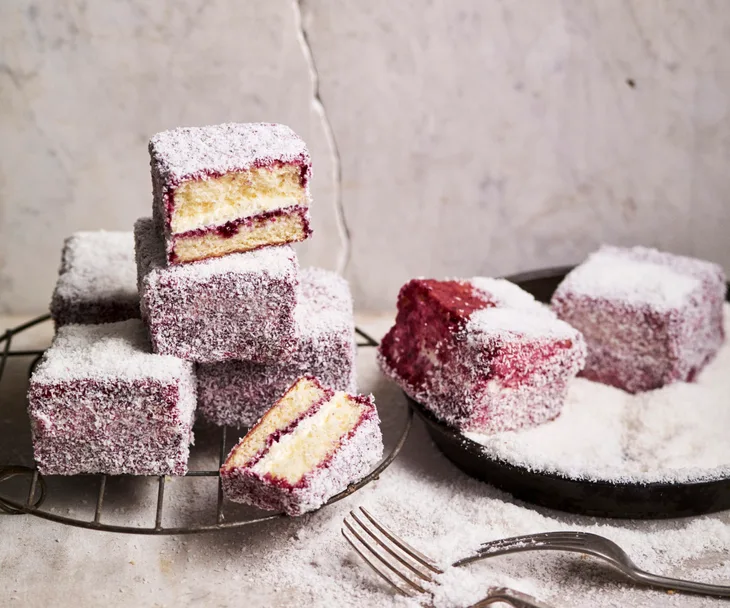
Gluten-free lamingtons
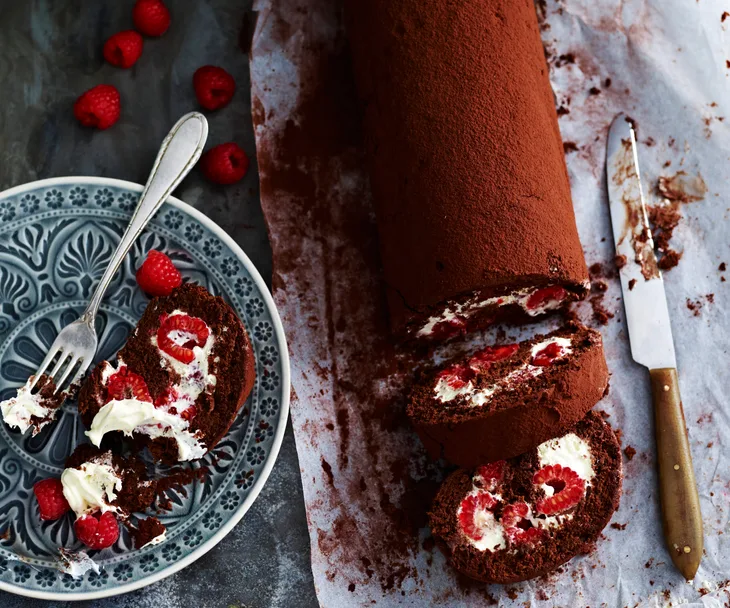
Flourless chocolate roulade
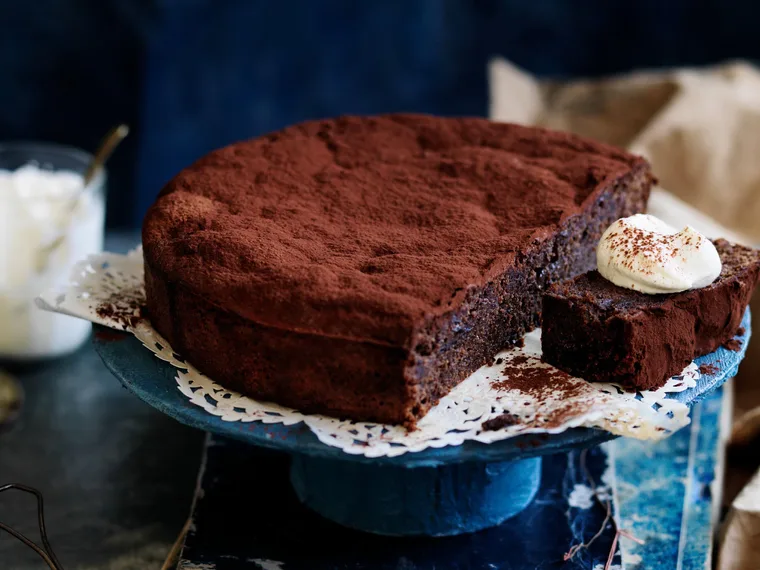
Flourless chocolate, prune & hazelnut cake
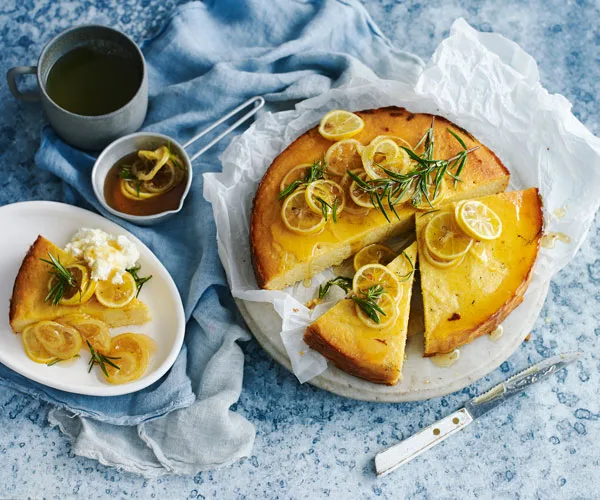
Polenta and ricotta cake with rosemary lemon syrup
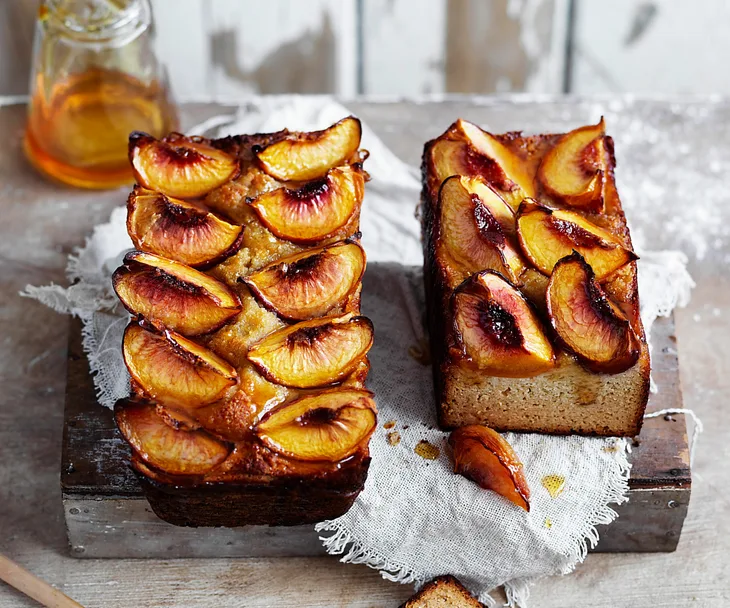
Flourless almond, peach and orange blossom loaves
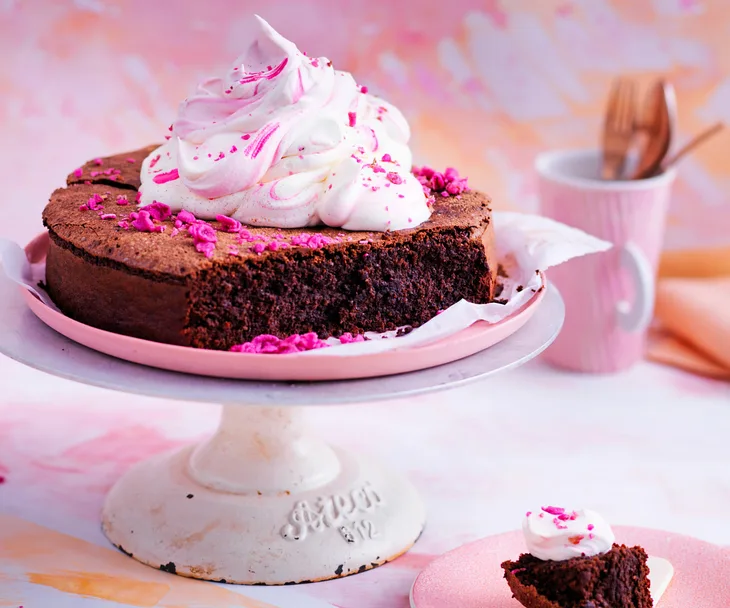
Gluten free rosewater chocolate cake
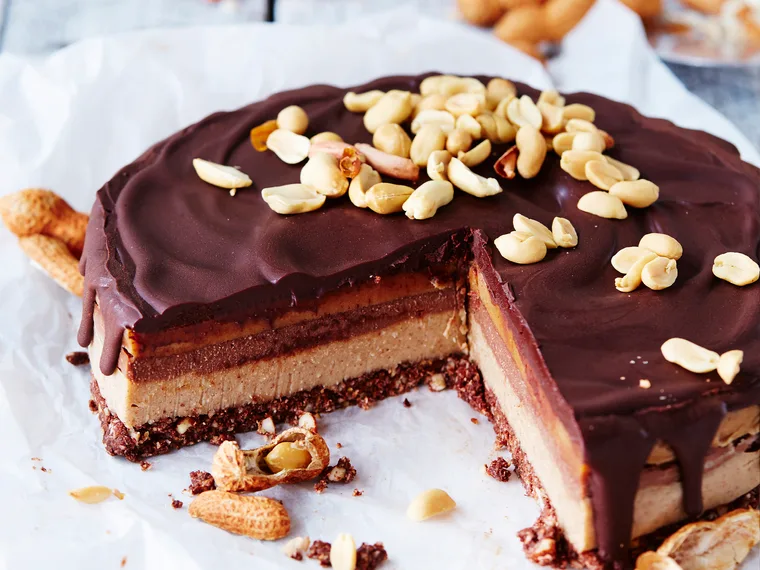
Raw choc-peanut cake
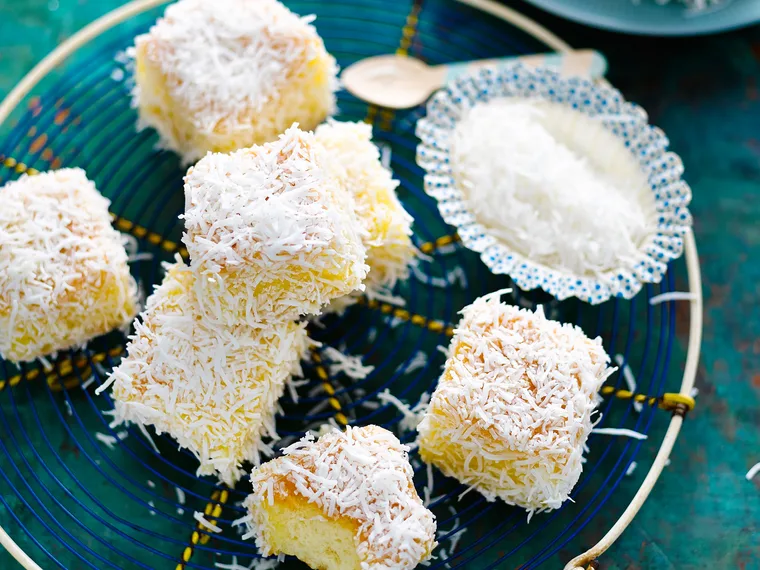
Lemontons
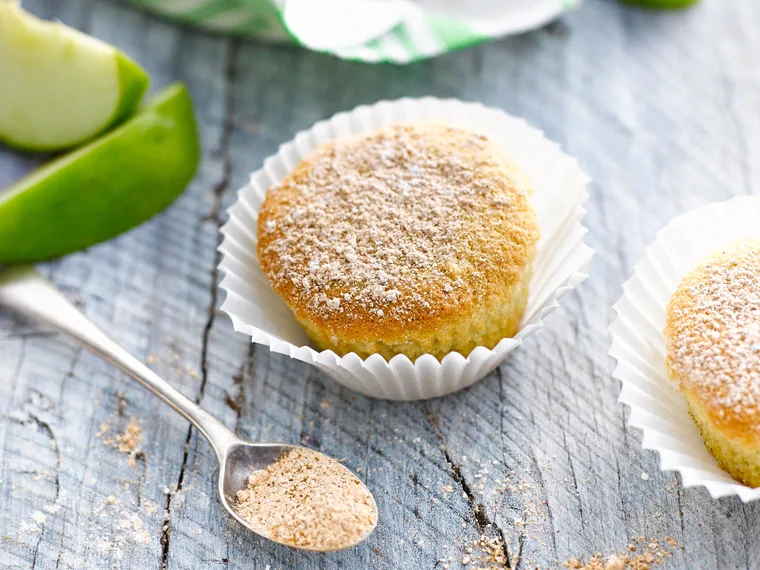
Spiced apple cupcakes
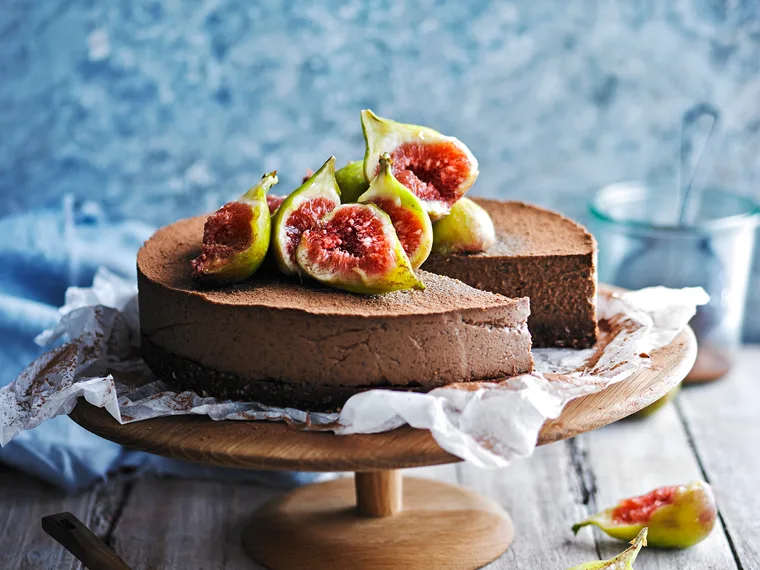
Earl grey and chocolate cheesecake
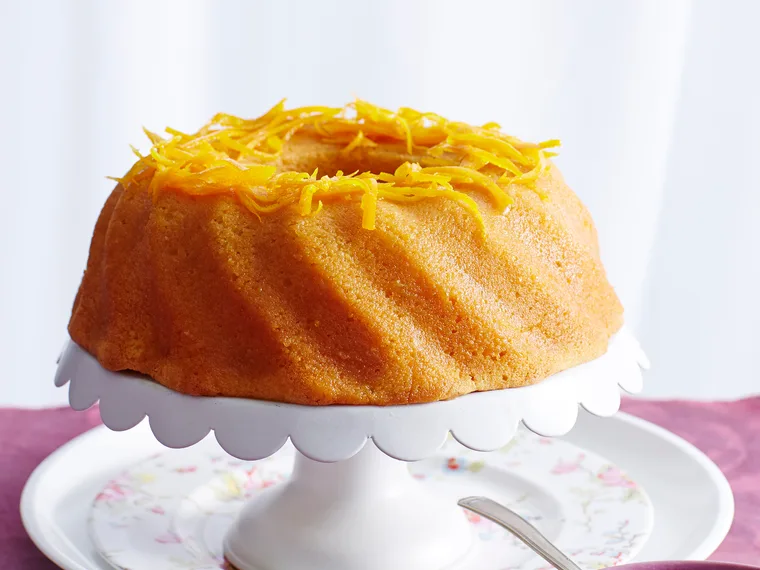
Orange buttermilk syrup cake
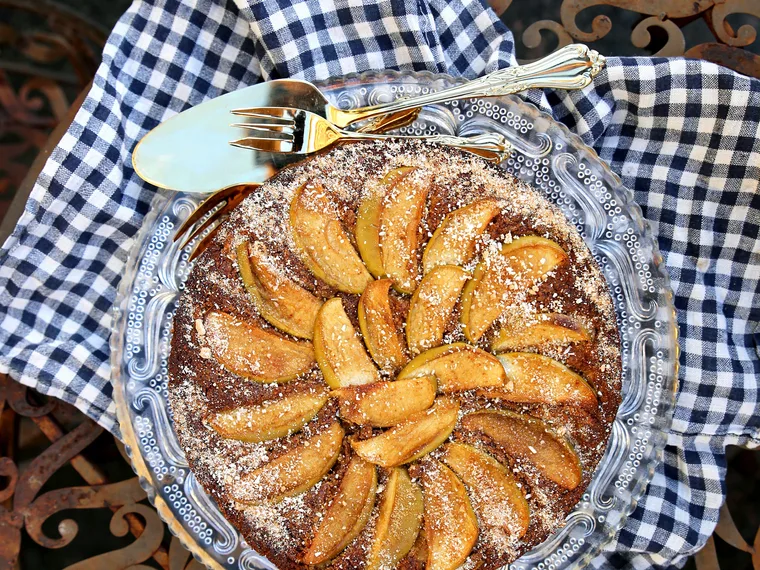
Sicilian almond, apple and ricotta cake with pecans
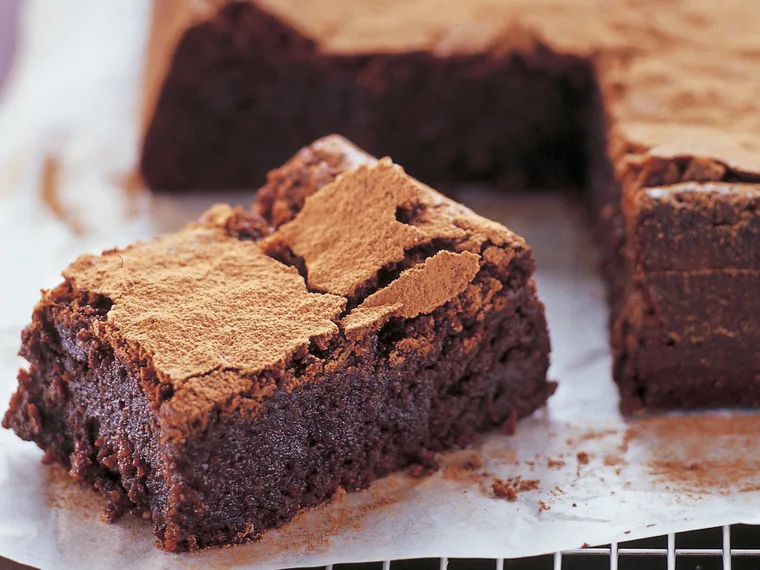
Flourless hazelnut chocolate cake
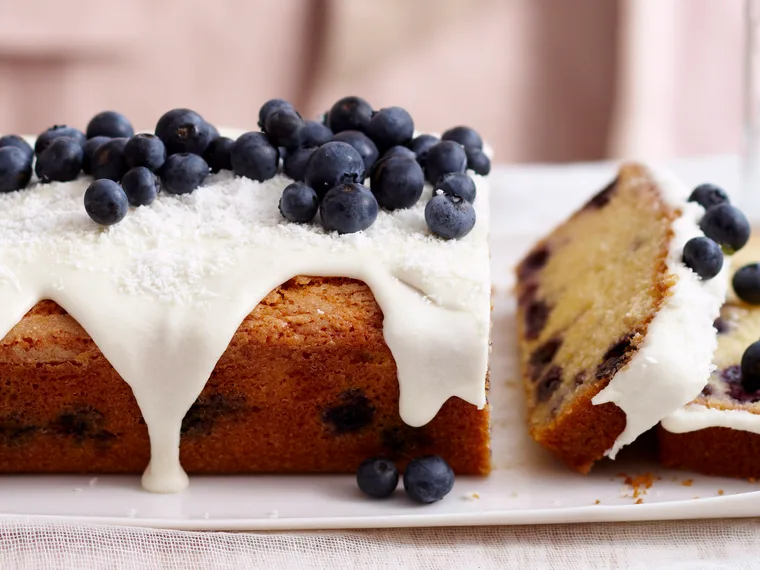
Gluten-free blueberry cake
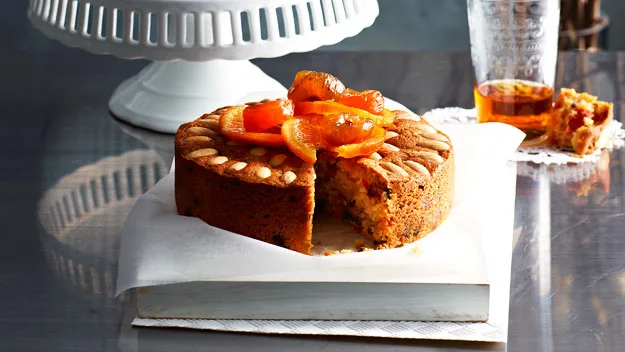
Gluten-free glace fruit cakes
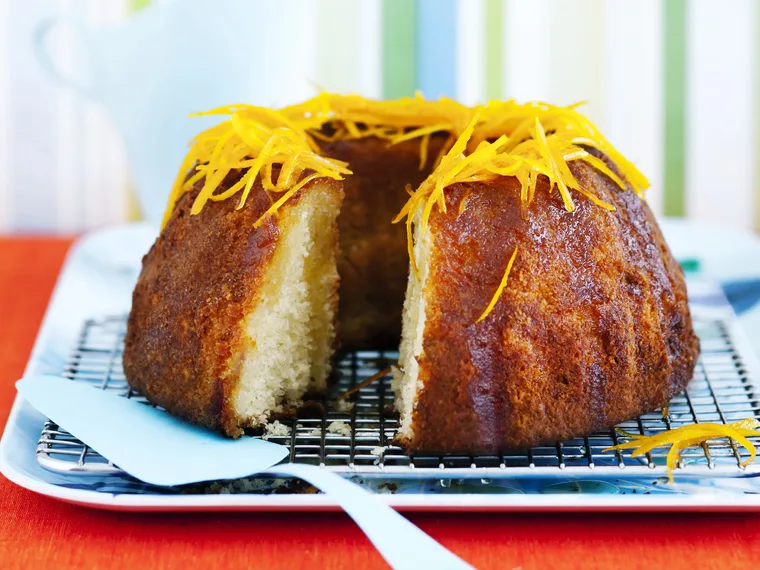
Gluten-free orange syrup cake
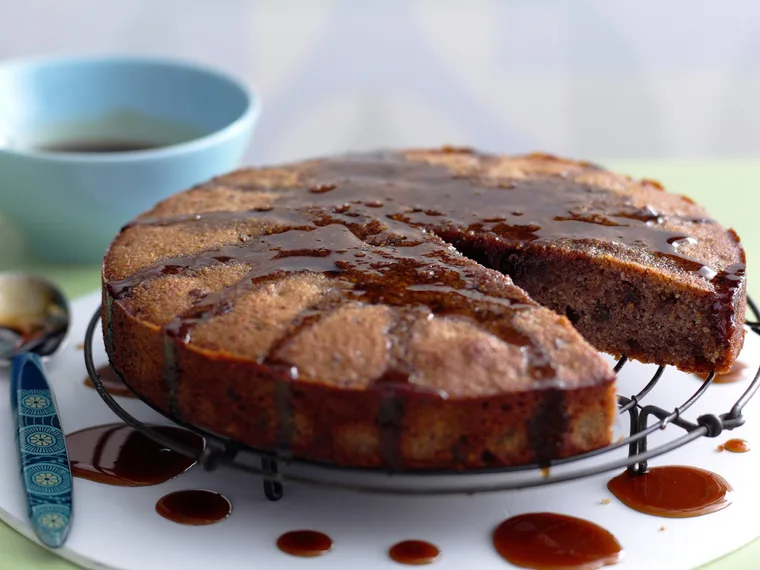
Flourless fig, pecan and maple cake
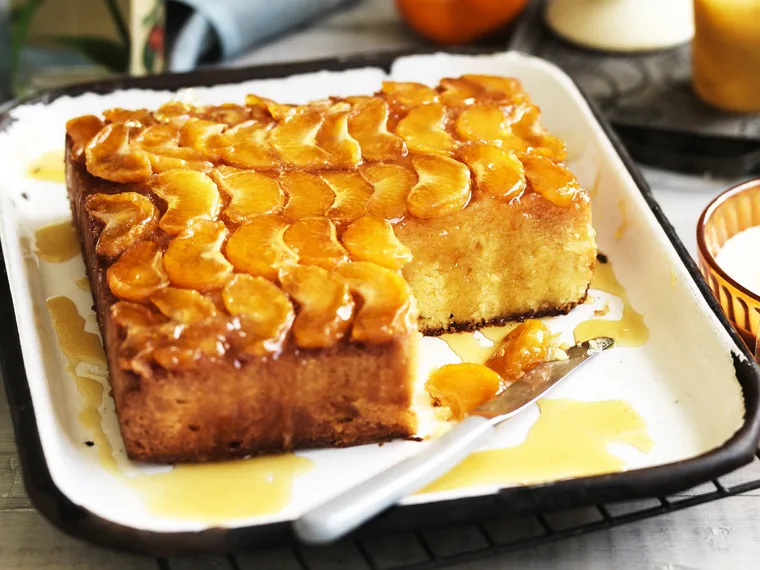
Upside-down mandarin polenta yoghurt cake
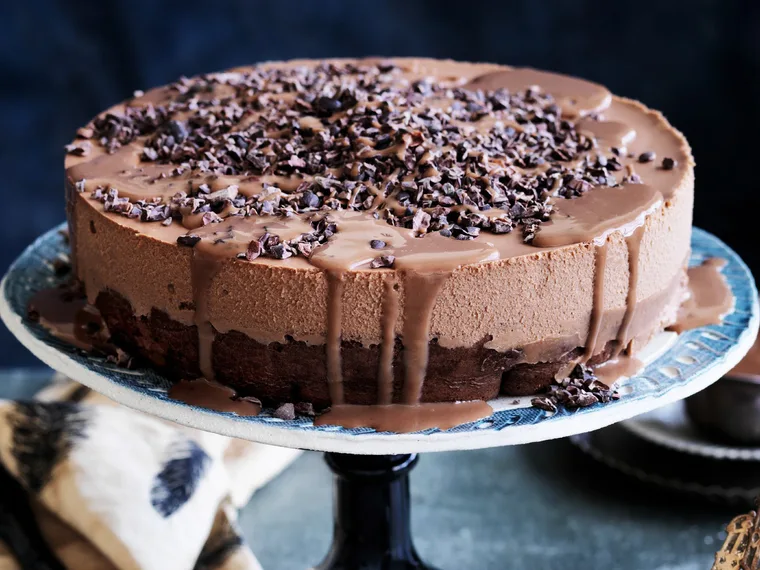
Chocolate orange mousse cake
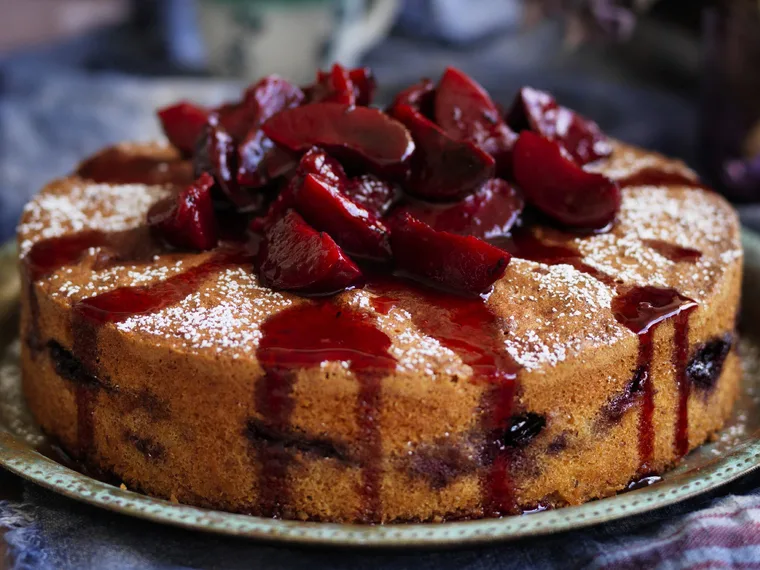
Plum and lemon polenta cake